WE HAVE THIS HOPE
“In Christ, the sacred is brought into the mundane” - Elissa Yukiko Weichbrodt
Immanuel, God with us.
Pitched His tent in our midst,
Covered himself in our dust and ashes…
And that’s the treasure
jars of clay
Hold.
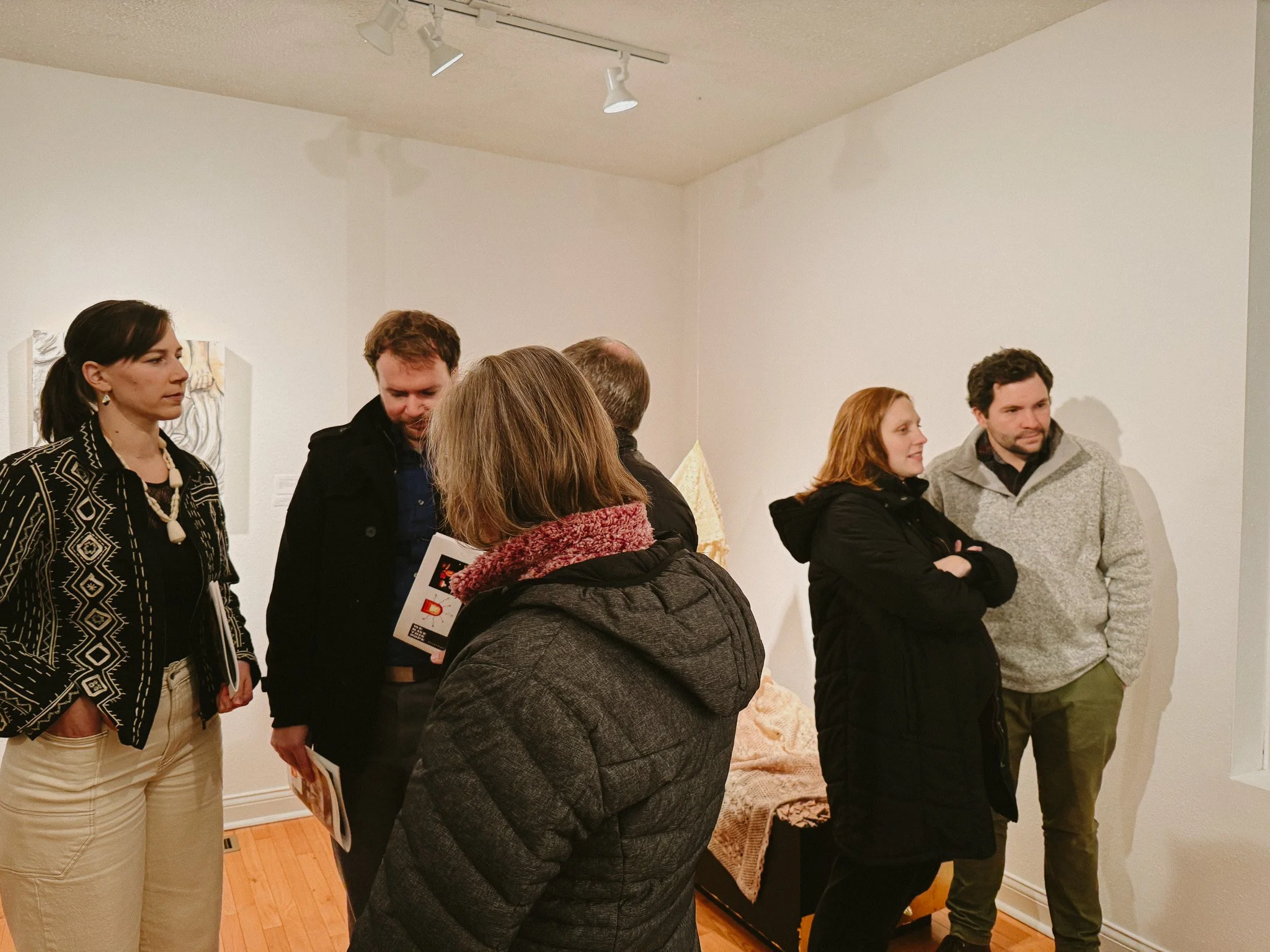
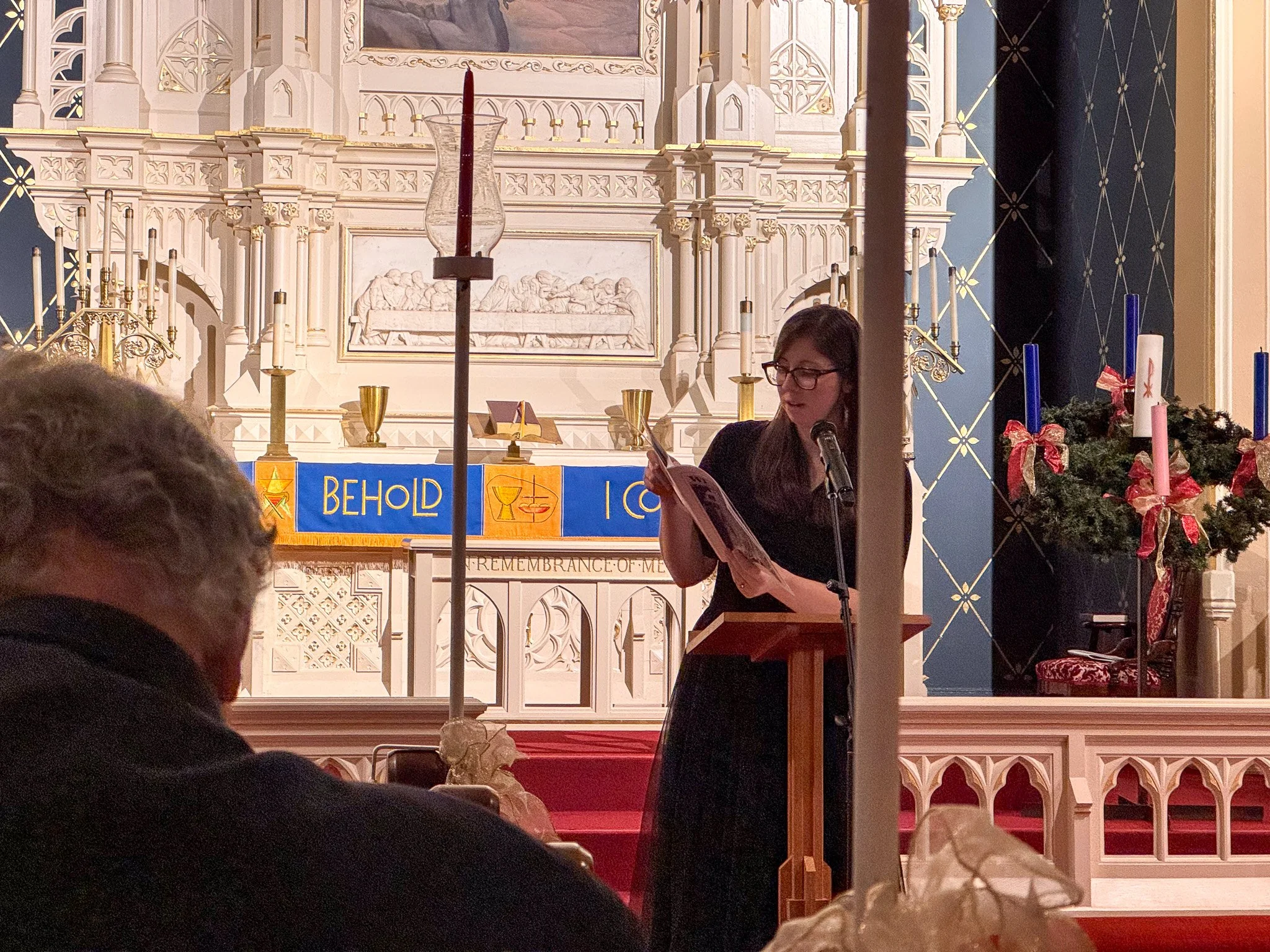
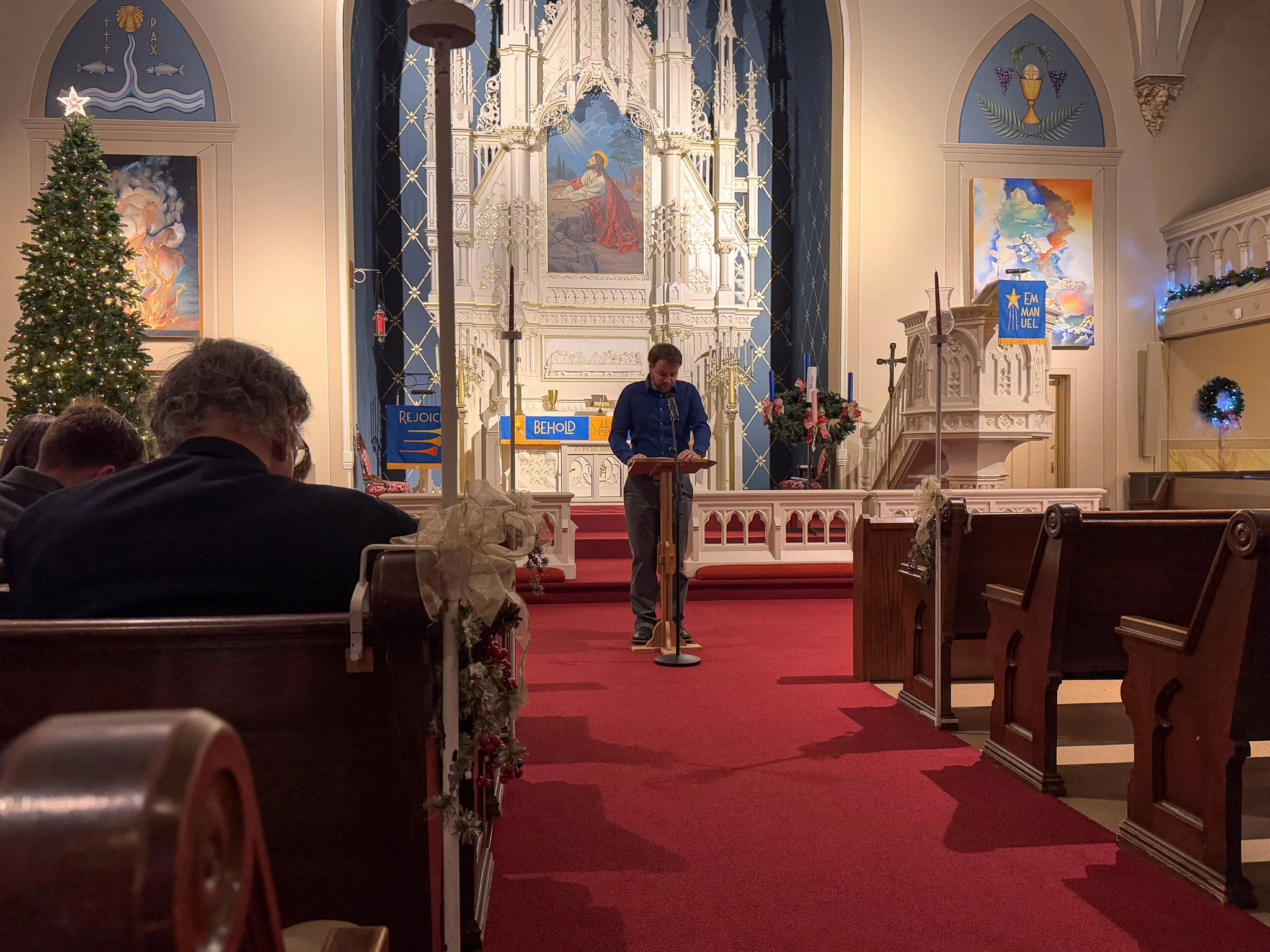
The pastors and artists of Holy Cross created works with words, songs, and visuals, to help us all walk in wonder, pondering the Incarnation. Starting with three scripture prompts (2 Corinthians 4, 2 Corinthians 5, and John 1) and the show title, WE HAVE THIS HOPE: Incarnation, each pastor wrote reflections in their preferred style, exploring and excavating this mystery using the written word.
Those texts then went to several visual artists in the congregation, to show, and not just tell about how the Word became flesh and dwelt among us. The work you see pours out of this collaboration, and now we invite you into the work:
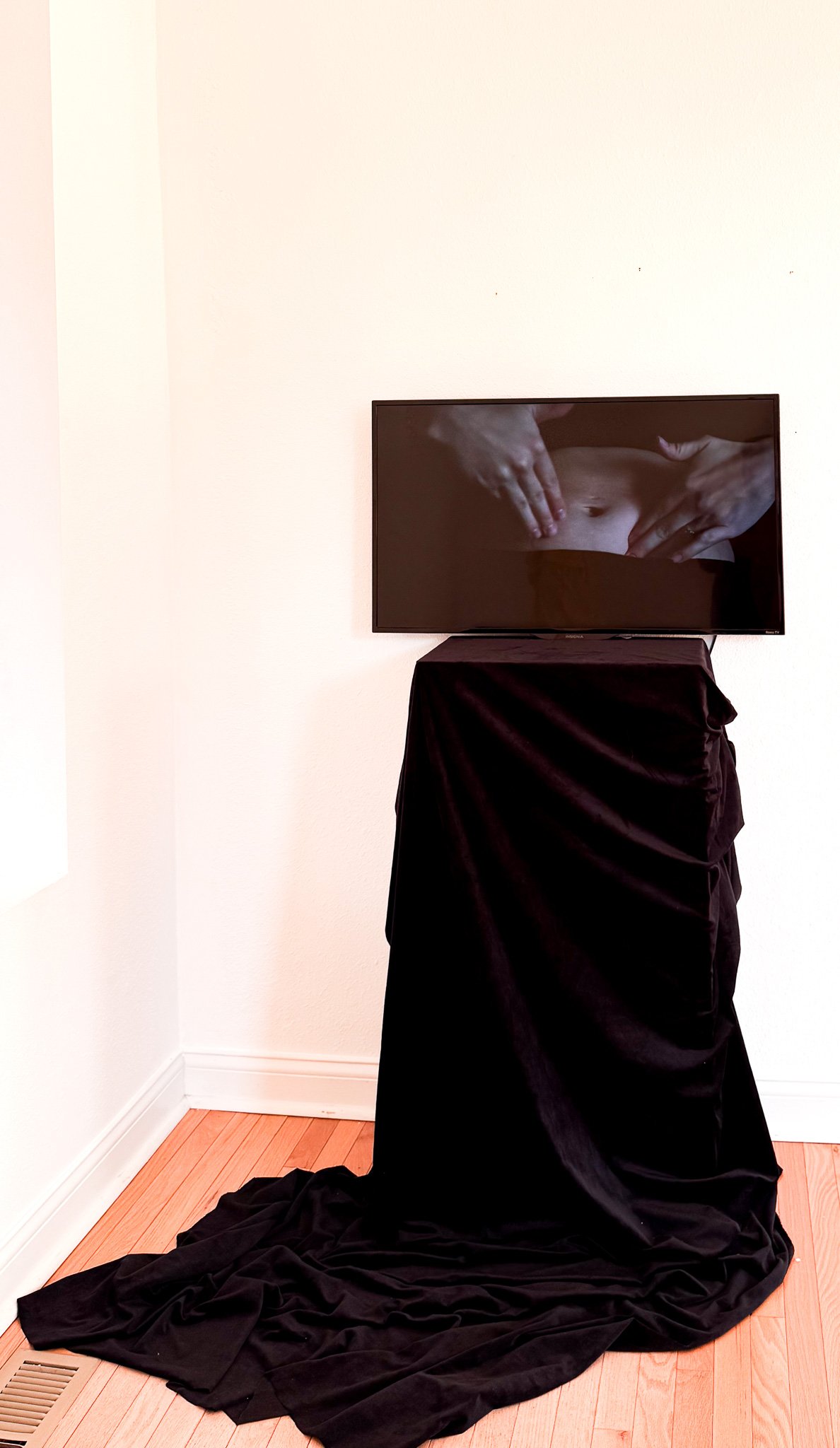
Sara Maichel’s photographs welcome us into Advent; reflecting on how this season of darkness and remembrance of our human condition finds itself suddenly illuminated as Christ steps in. Charlotte Rose Eshleman’s video probes through lyrics and images the mystery of the God of the universe putting on human flesh, growing and developing in His mother’s womb.
Megan Kenyon’s work wrestles with paradox of Christ being born to die, using the language of altarpieces interpreted in a simple cabinet. Sarah Bernhardt’s work similarly dives deep into this paradox of birth and death, examining the flashpoint of resurrection and how our Christ redeems broken things.
Katherine Gastler’s Psyanky and window star utilize color and symbols to meditate on the Light coming in our darkness. April Parviz’s work also uses color and symbols to articulate the ways in which Immanuel, God with us, continues with us now and will come again, so stay awake!
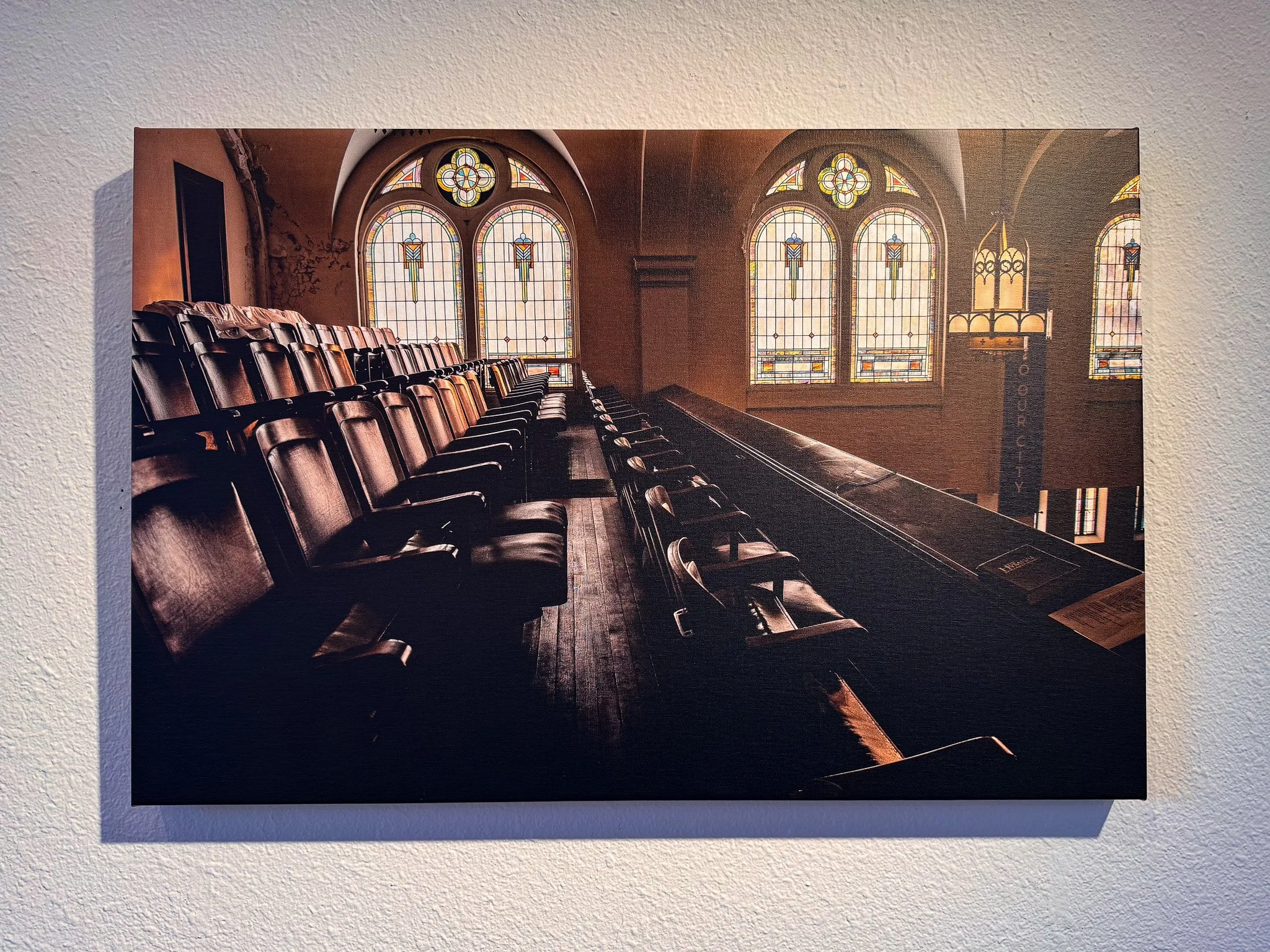
Kati Gaschler’s photo exudes the quiet beauty of a historic church, marred by the decay of time, and yet redeemed through the love and care of its congregation. In a similar way, Olivia Field’s paintings thrill with the sure hope that our mortal bodies will not always be bound to time, to death. Jesus Christ is risen, He is risen indeed, Alleluia.
As you move about the gallery, notice the colors; so many warm reds, fiery oranges, singing yellows, deep blacks, and the regal gold.
Notice the very human hands, touching, holding, pulling, resting.
Notice the textures; rough clay, firm wooden boards, the waxy folds of paper, the shimmery light on gold.
Notice the lines and shapes, ordered geometry exploding in color.
Notice the invitations, to come closer, to witness, to see the broken places and to contemplate the promise of resurrection, when Jesus makes all things new.
In this season of Advent, as we wait in the darkness, contemplating our human fragility we invite you to wonder anew about this Light that shines in the darkness, this Word that steps into our world as one of us, because of His great love for us all. We invite you to hear the words and see the art created by your brothers and sisters in Christ, and find hope: that Immanuel, God with us, dwells with us still and will make all things new.
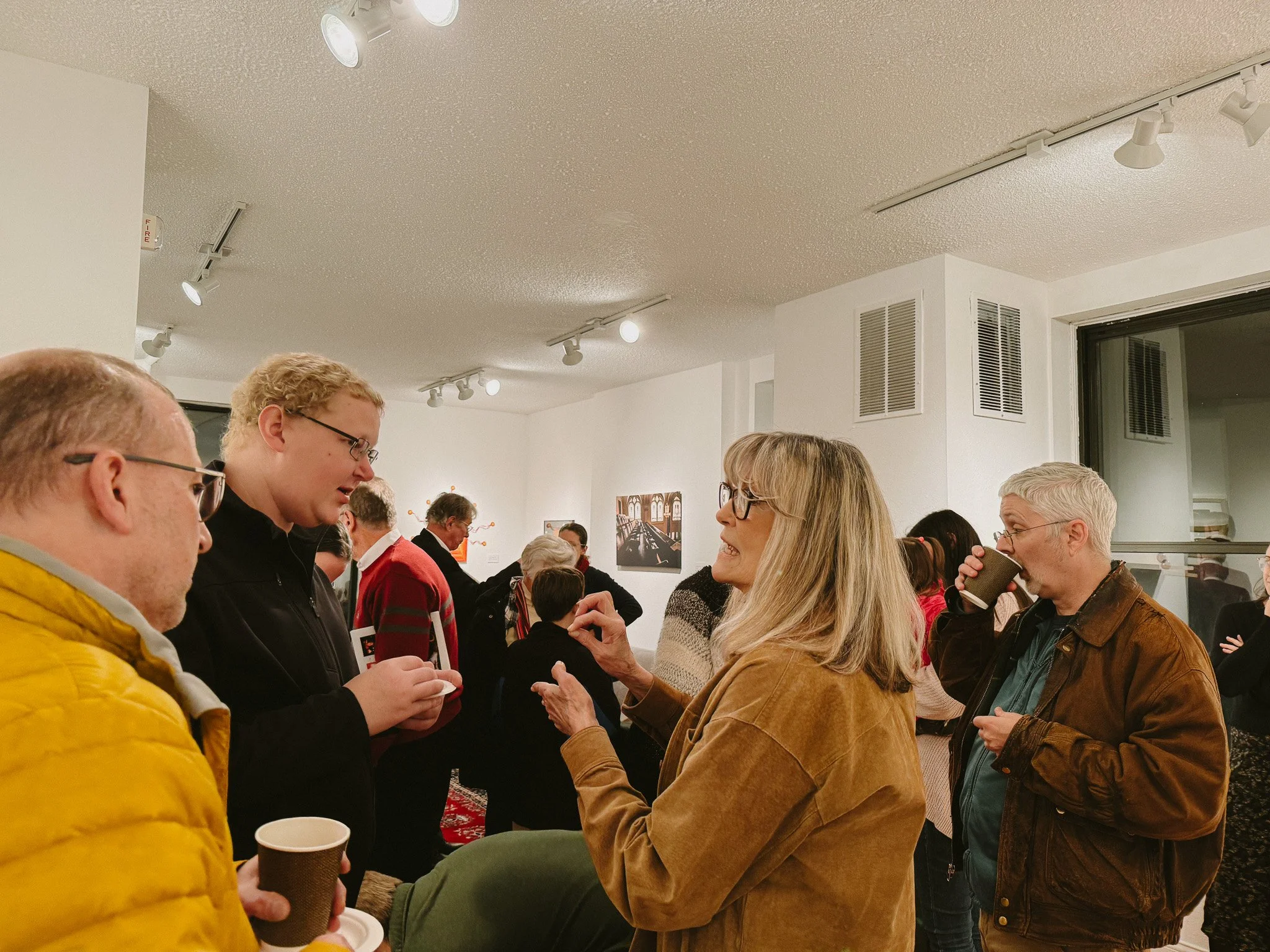
Curated by Megan Kenyon, WE HAVE THIS HOPE ran from December 1, 2024 - February 16, 2025.
THIS IS MY BODY: Paul Reuckert
Veiled in flesh the Godhead see, hail the incarnate Deity!
Pleased as Man with man to dwell, Jesus, our Immanuel!
Hark! The herald angels sing, “Glory to the newborn King!”
Each year on the 25th of December, the Church gathers to celebrate one of the great mysteries of the faith: the Nativity of our Lord. The themes for the weeks of Advent have slowly shifted from the Savior’s second coming to His first, culminating in a twelve day celebration in honor of the Christ-child, “Immanuel” - “God with us.” Those familiar with the Old Testament should not be surprised at the event, as we read all throughout of God’s deep desire to be with His people, and in their very midst. He walked with our first parents in the garden in the cool of the day; He met with them in the wilderness tabernacle and His glory filled the Temple.
The wonder is not that God would want to be with His people, but that He would choose to be with them in this way - incarnate, enfleshed, dwelling with us as a man. Bodies are marvelous things, “fearfully and wonderfully made,” to be sure. But bodies are also frail, easily bruised and broken. They break down and wear out. They are in need of regular cleaning and care, being made of ashes and dust. Fearful, wonderful, yet earthy and humble.
And it is with just such a body that our Lord came and dwelt among us. For by taking on human flesh, our Immanuel made it possible for us to encounter Him through the senses of our bodies. “That which was from the beginning, which we have heard, which we have seen with our eyes, which we looked upon and have touched with our hands, concerning the word of life…” (1 John 1:1). And on the night when He was betrayed, our Lord Jesus Christ made it possible to encounter Him still beyond His death and resurrection, beyond His ascension to the right hand of God. “Take, eat, this is my body, given for you. Take, drink of it all of you. This cup is the new testament in my blood, which is given for the forgiveness of sins.” God with us then; God with us now.
“This is my body…” As these words apply to the Supper, so, too, do they apply to those who receive it. Do you wish to see the body of Christ with us in the world today? Look around you.
As we are fed and nourished at the Table, we are filled with the very body of Christ - and are shaped by it to become His body in real and tangible ways to one another in this place. This, too, is His body - in the sharing of the Peace, a Sunday smile, a sincere and warm welcome. For the incarnation runs in a straight line from Bethlehem to St. Louis. Here, we - in all of our weakness - are practicing, if you will, the life that will be ours in full when these same bodies are called forth from the grave. Then, at last, we will behold Immanuel face to face and will serve Him and one another in bodies glorified and forever changed to be like His glorious body.
Artist Statement:
Sleepers ‘wake CI-Immanuel
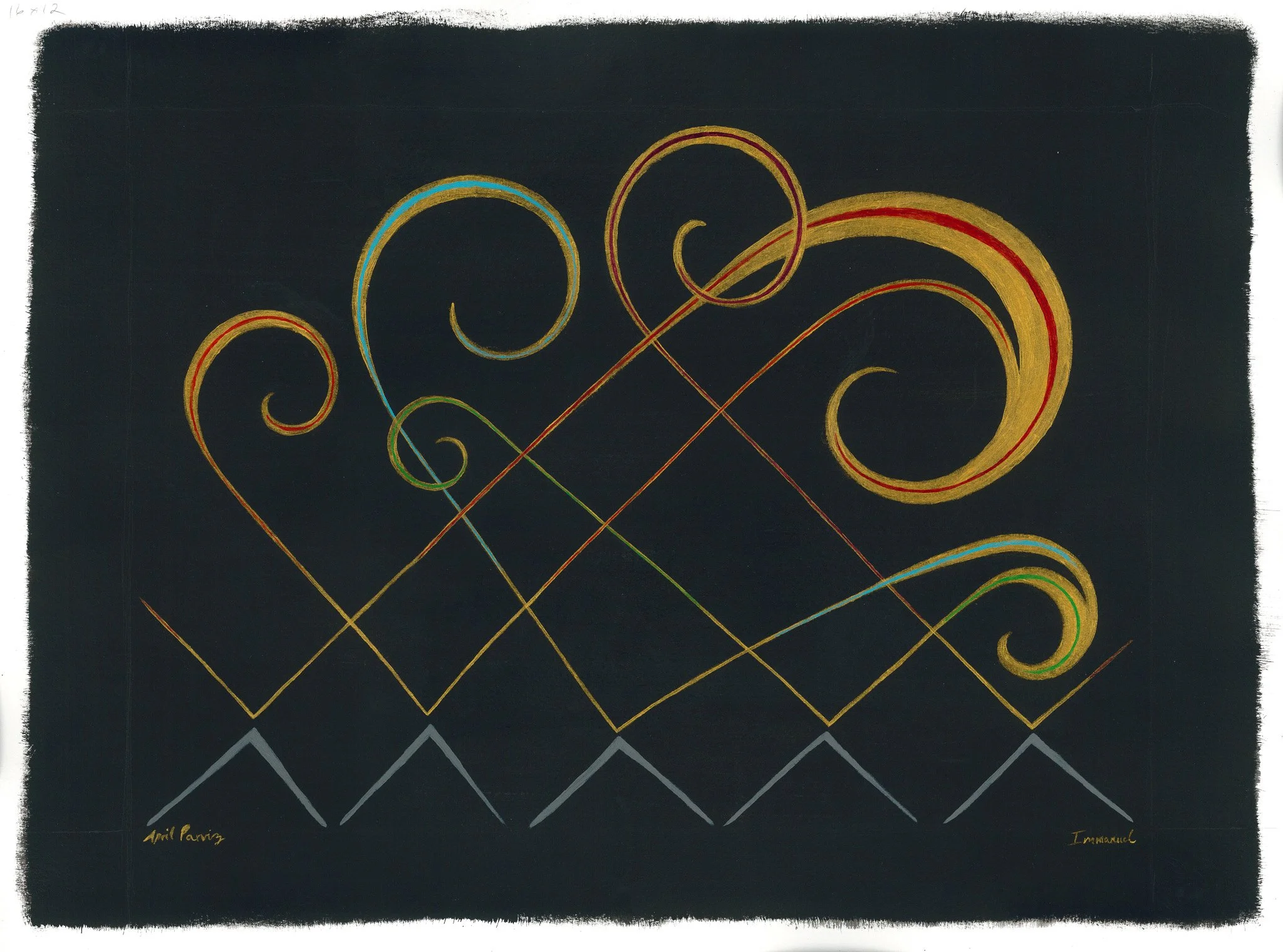
Welcome to my ongoing series; Sleepers ‘wake. Here, I try to understand what God says to me through scripture, about staying awake. I believe it means loving God above all things, and loving our neighbor as ourselves. So I make these works to stay awake. This piece, I’m excited to say, is number 100!
Sleepers ‘wake #100 - Immanuel focuses on the idea that we can be daily awakened through the memory of our baptisms, and with that, we can daily work to awaken others with the light of Christ that shines through us.
Pastor Paul Rueckert’s writing threaded very neatly together with this thought process I’ve already been having, especially his focus on the name Immanuel; “God with us then; God with us now.” Even though my focus has been primarily on the beautiful mystery of the sacrament of baptism, Pastor Rueckert’s attention to the sacrament of the altar brought the whole idea home for me in a way that I will probably write much more about later.
For now, to try and keep it simple, I’ll just say a few things about the symbolism and meaning behind Sleepers ‘wake #100 - Immanuel.
Let’s backtrack for one moment, please. My Sleepers ‘wakes all follow the same visual equation. The bottom portion of the piece is always fairly simple. Then it goes up, at least once. There is a break. And then it starts over again at the top, and is more elaborate than it was on the bottom. So these are the four components that make a Sleepers ‘wake; 1) Simple bottom 2) Bottom goes up 3) Break between top and bottom 4) Top is more elaborate than bottom.
Okay but why...?
I’ve been working on explaining this. Hopefully I’m getting better.
Essentially, the bottom part symbolizes a person who is asleep (busy/ignorant/selfish/proud/etc). The break is where the person wakes up. The top symbolizes the person now awake (loving/listening/stopping to be with people/reaping + sowing the fruits of the spirit/etc). There are a lot of layers to these, and many ways to interpret. So go ahead and do that. I’ve been working through a new visual concept, where the top reaches all the way down to the bottom every single time it goes up. Within this formula, I add an interpretation on top of the original one. It goes like this; each gray line on the bottom pointing up represents a “sleeper.” Each yellow line or point reaching down represents an “awaker.” The moment where the “awaker” meets the “sleeper” is always yellow, no matter the color of the rest of the stroke. That yellow portion symbolizes the light of Christ that shines through each “awaker” allowing them the ability to awaken the sleeper, and lift them up into the awake portion of the piece, where “we are fed and nourished at the Table, we are filled with the very body of Christ - and are shaped by it to become His body in real and tangible ways to one another in this place.”
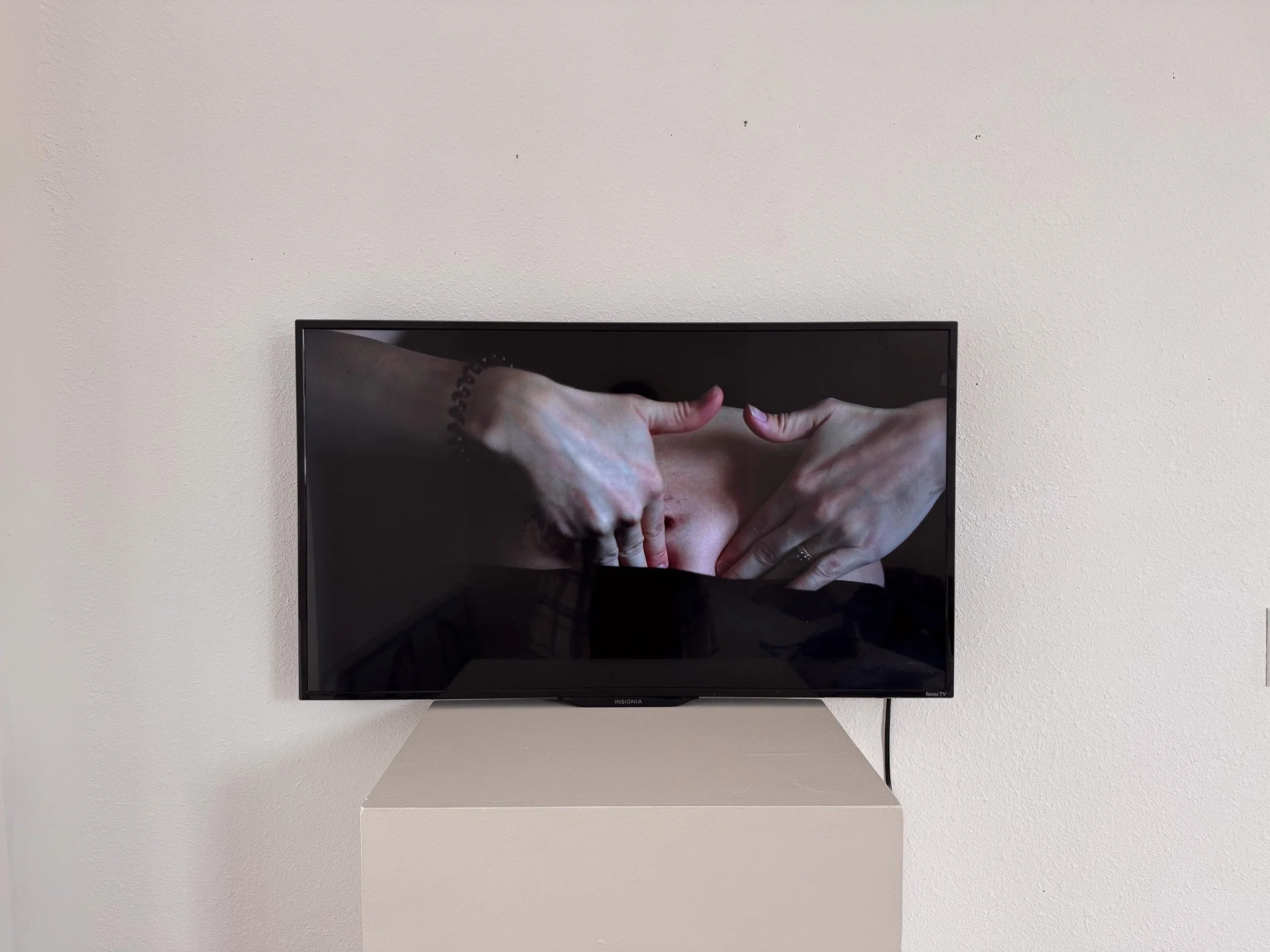
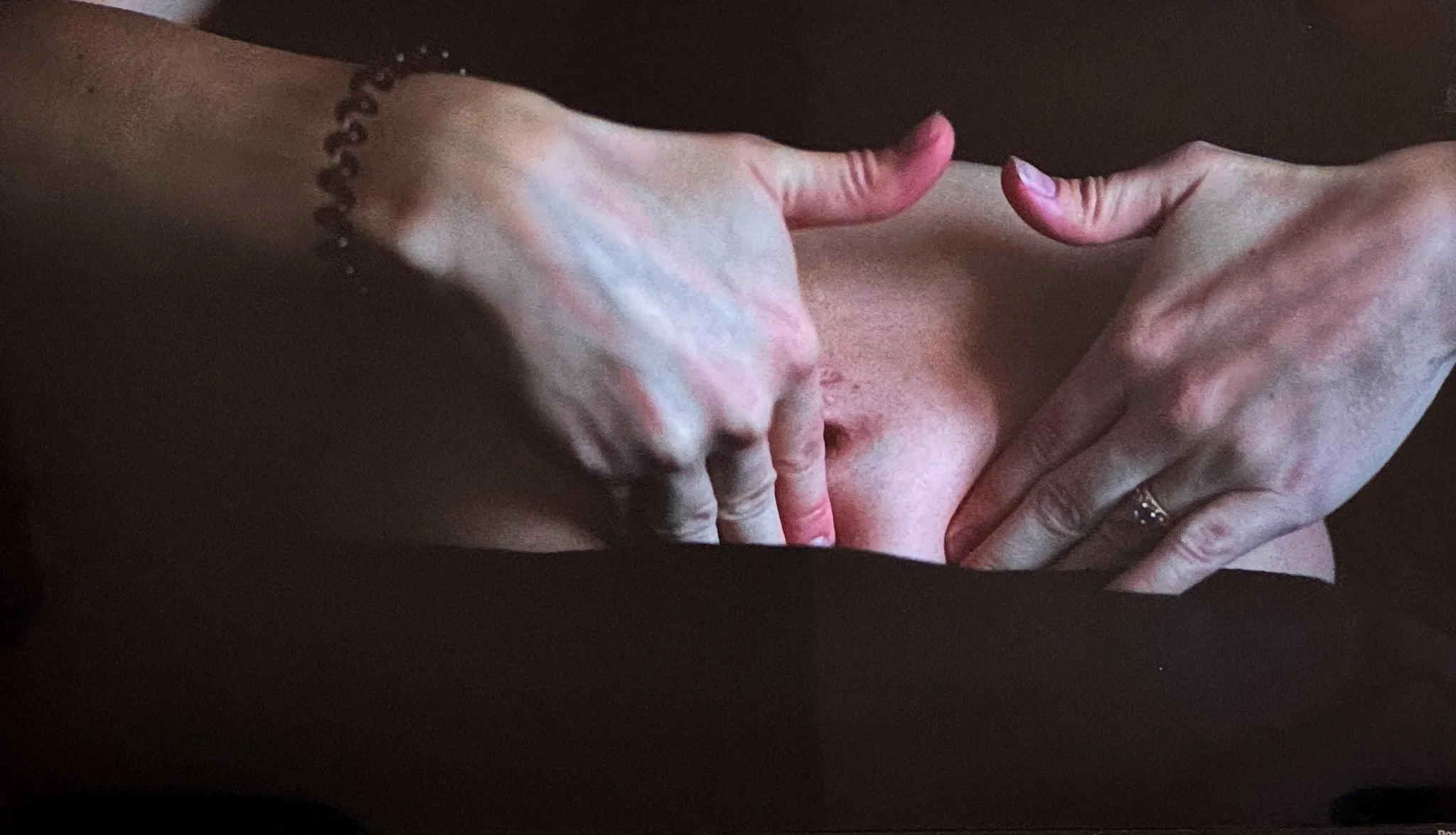
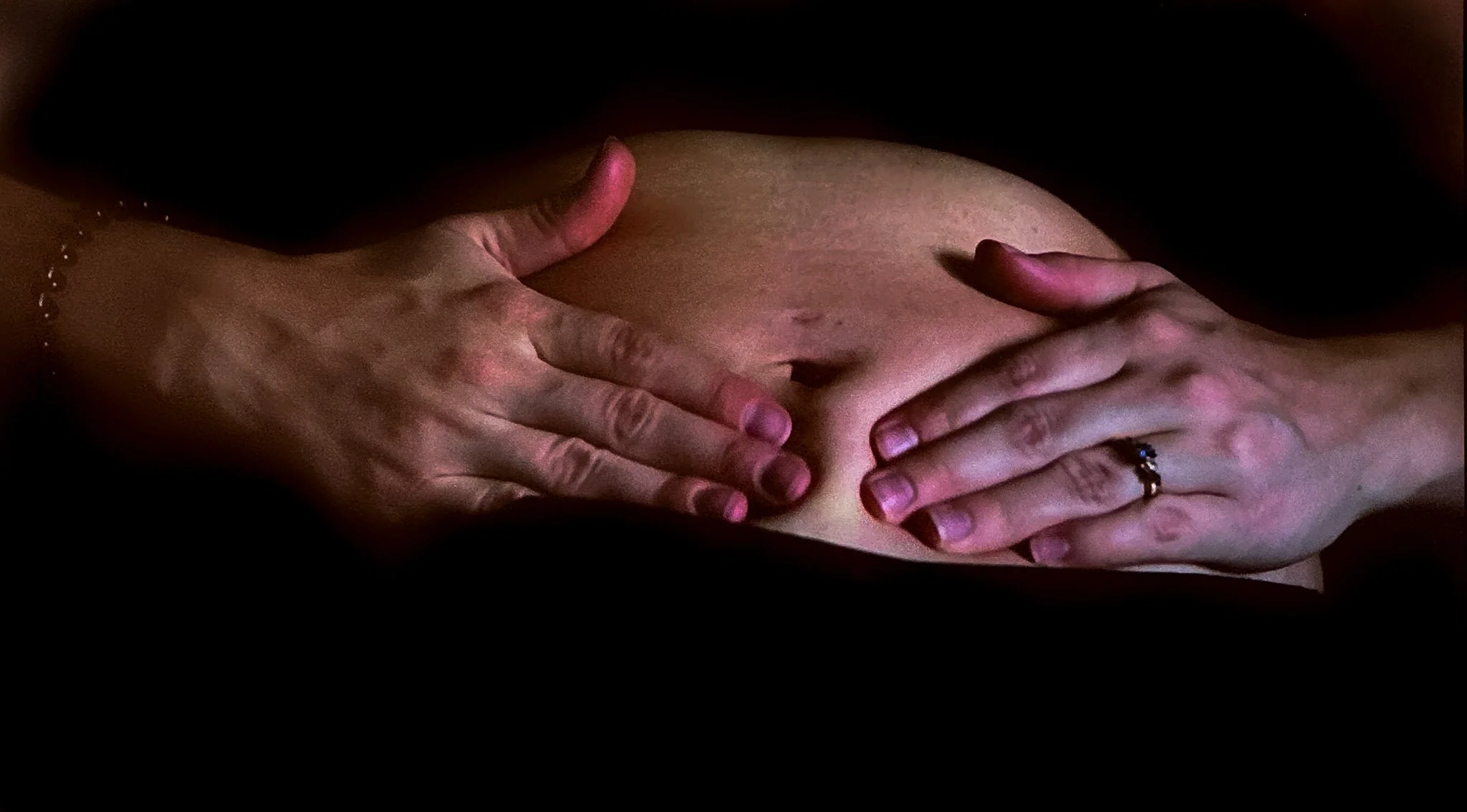
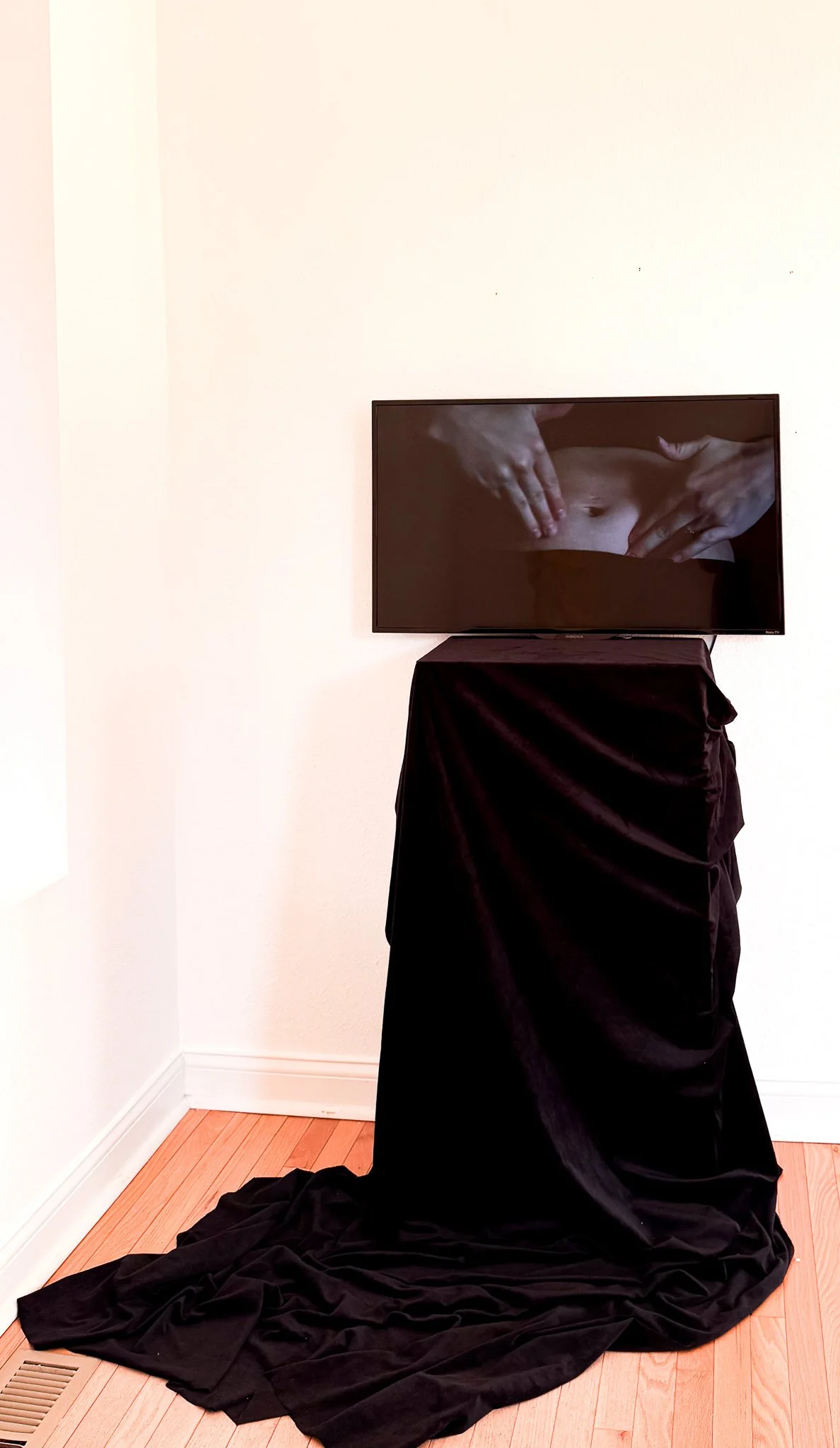
Tell the old, old story
How God took on man’s flesh
Tell the old, old story
How life came down to death
The hands that formed the moon and stars
Swimming in the womb
Mother Mary giving birth
To her bridegroom
The breath that gave woman life
Breathing through her lungs
Everlasting father
Was youngest of the young
The feet that walked through Eden
Toeing Mary’s rib
King of all the Ages
Crowned through bony crib
The voice of storm and whisper
Gurgled in her arms
This babe, so small and helpless,
Would bind the devil’s charms
The one to whom we sacrificed,
Filled with blood to shed
Giver of good manna
At Mary’s breast fed
The Arm of God reached down to earth
Revealed in mortal skin
Eyes that saw the dawn of time
Closed while formed within
The Morning Star, in mystery dark,
Woven and encased
True image of the Father
Bearing Mary’s face
All Glory to the Father, Glory to the Son, And to the Holy Spirit
Forever Three in One
As it was the beginning, is now and ever shall be Amen
BRUCE CAMERON: SURROUNDED BY GOD’s TRUE AND PEACEFUL POWERS
December, 1944 . Dietrich Bonhoeffer has been in prison since April of 1943, for his part in the resistance to Adolf Hitler. The war has turned against Germany; the Allied armies have reached the Rhine River and the “Battle of the Bulge” is raging. Hitler will retreat to his bunker in Berlin in January 19, 1945. He will commit suicide there on April 30, 1945. Germany will surrender on May 7, 1945.
Before this, Dietrich Bonhoeffer will be hanged, by Hitler’s order, on April 9, 1945.
Bonhoeffer knows none of this. He has been in prison for over 20 months. He doesn’t know if he will be executed, set free, or liberated when the war is over. All of these things are possibilities.
So, on December 19, 1944, he sends a Christmas letter to his fiancée, Maria von Wedemeyer. Through her, he sends greetings to his parents and his brothers and sisters. And he includes a poem – a hymn of hope.
By God’s own powers wonderfully protected,
We look with trusting hope, come now what may.
God is with us, each evening, every morning
And certainly in every newest day.
He addresses the heavy loads on their hearts from the past days. (stanza two)
He speaks of the possibility of a heavy cup of suffering. (stanza three)
He speaks of the possibility of brighter days ahead. (stanza four)
He speaks of the comfort, in all this, of God’s warm candle-light. (stanza five)
And he praises God’s silent, unseen powers behind the world’s noise. (stanza six)
The poem, which has become a popular hymn in Germany, has been called Bonhoeffer’s “last theological text.” In February, 1945, he was moved to the prison at Buchenwald, and from there to Flossenbürg, where he was killed.
His last words to a fellow-prisoner were, “This is the end; for me, the beginning of life.”
THE HYMN:
Surrounded by God’s true and peaceful powers,
The goodness that protects us from all fear,
So will I live with you in this day also,
And step with you into the coming year.
By God’s own powers wonderfully protected,
We look with trusting hope, come now what may.
God is with us, each evening, every morning.
And certainly in every newest day.
The days gone by may still seek to torment us,
And heavy loads still press upon our hearts.
O Lord, give to our frightened souls that comfort,
That peace, for which You first created us.
And if the heavy cup, brim full with suffering,
Should be the cup You place into our hands,
Then let us take it – thankful, without trembling –
As given by Your good and loving hand.
If You should once again pour joy upon us,
The brightness of Your sun on this world shine;
Then let Your past and daily goodness fill us
With confidence in all our coming times.
May Your warm candle shine out ever brightly;
Into our darkness bring Your warmest light;
And lead us gently once again together,
To know Your brightness shines into our night.
When deepest silence, over us extending,
Will cover all the clatter of our days;
Then let for us the unseen powers, expanding,
Lead all Your children into higher praise.
By God’s own powers wonderfully protected,
We look with trusting hope, come now what may.
God is with us, each evening, every morning,
And certainly in every newest day.
Sara maichel
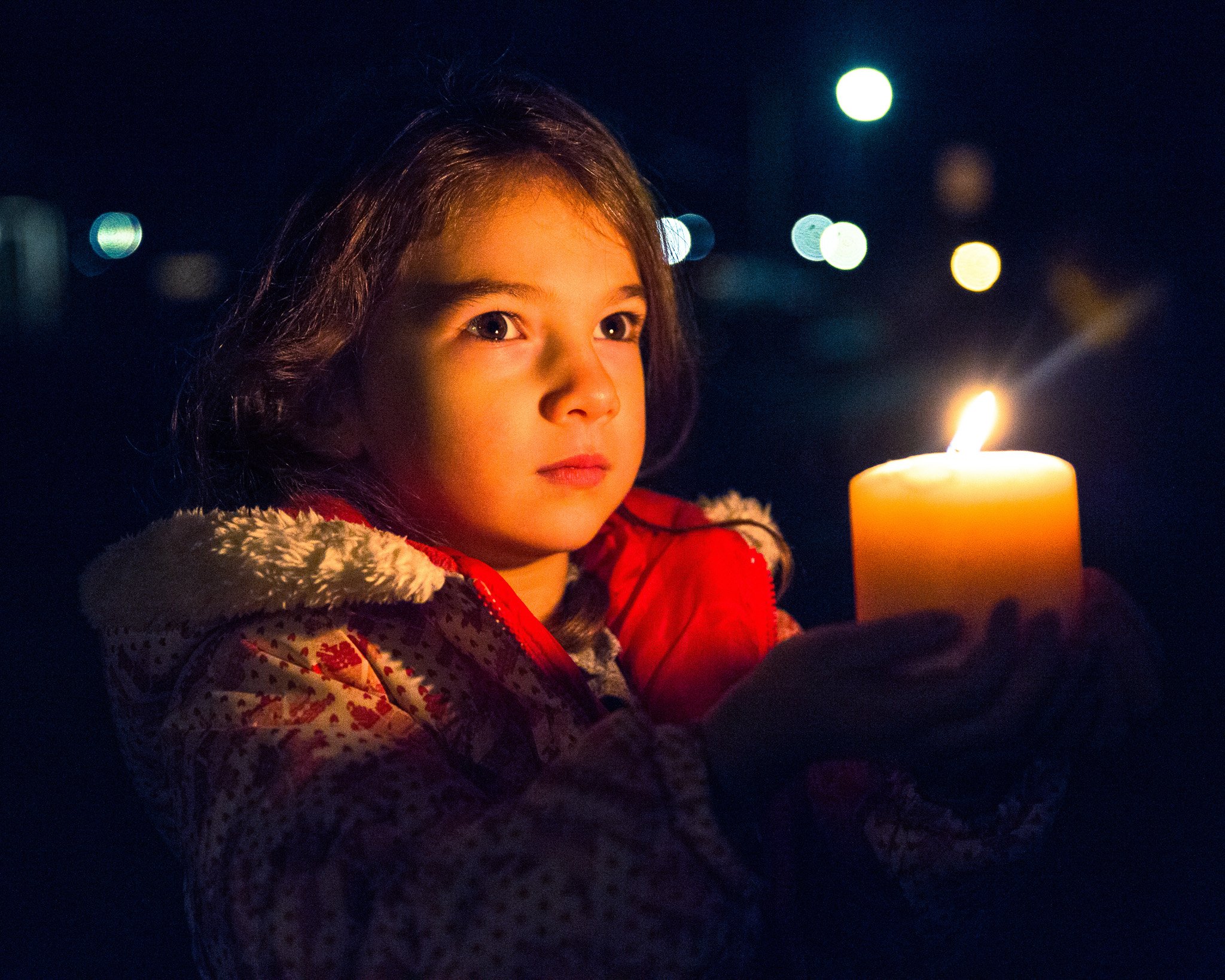
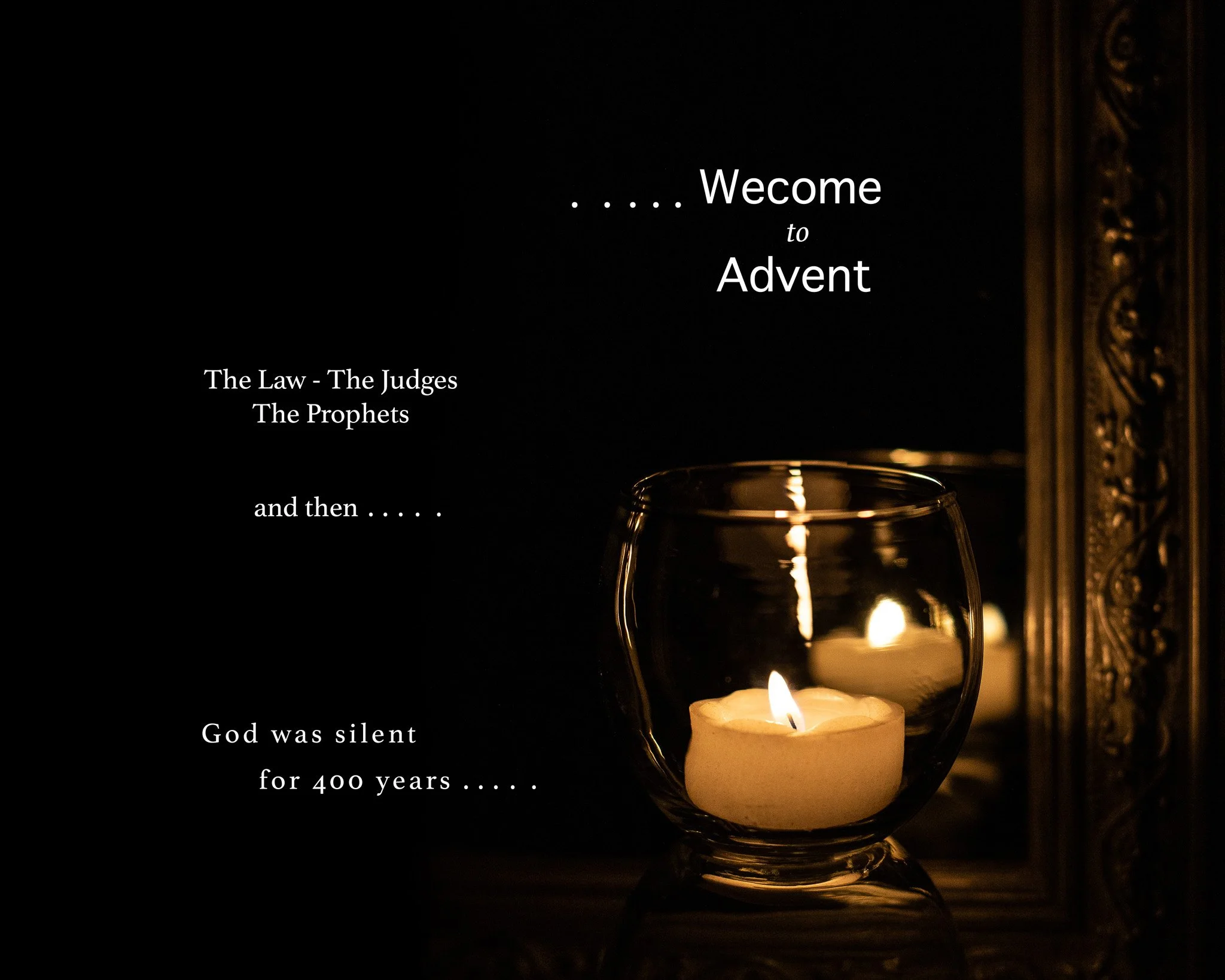
Artist Statement:
The Law - The Judges
The Prophets
and then…
God was silent
For 400 years…
Yet, even in that darkness there was a glimmer of hope, the promises whispering through the long night. A dim light for His people till the true and glorious light came.
He was the true light and through Him comes true life.
We have this light, but yet we wait, as Mary waited to hold the God-child within her in her arms. We wait through this advent till God will hold us, His beloved children, in His new creation.
And so in the waiting, this advent silently begins. And we say come, please come, Emmanuel.
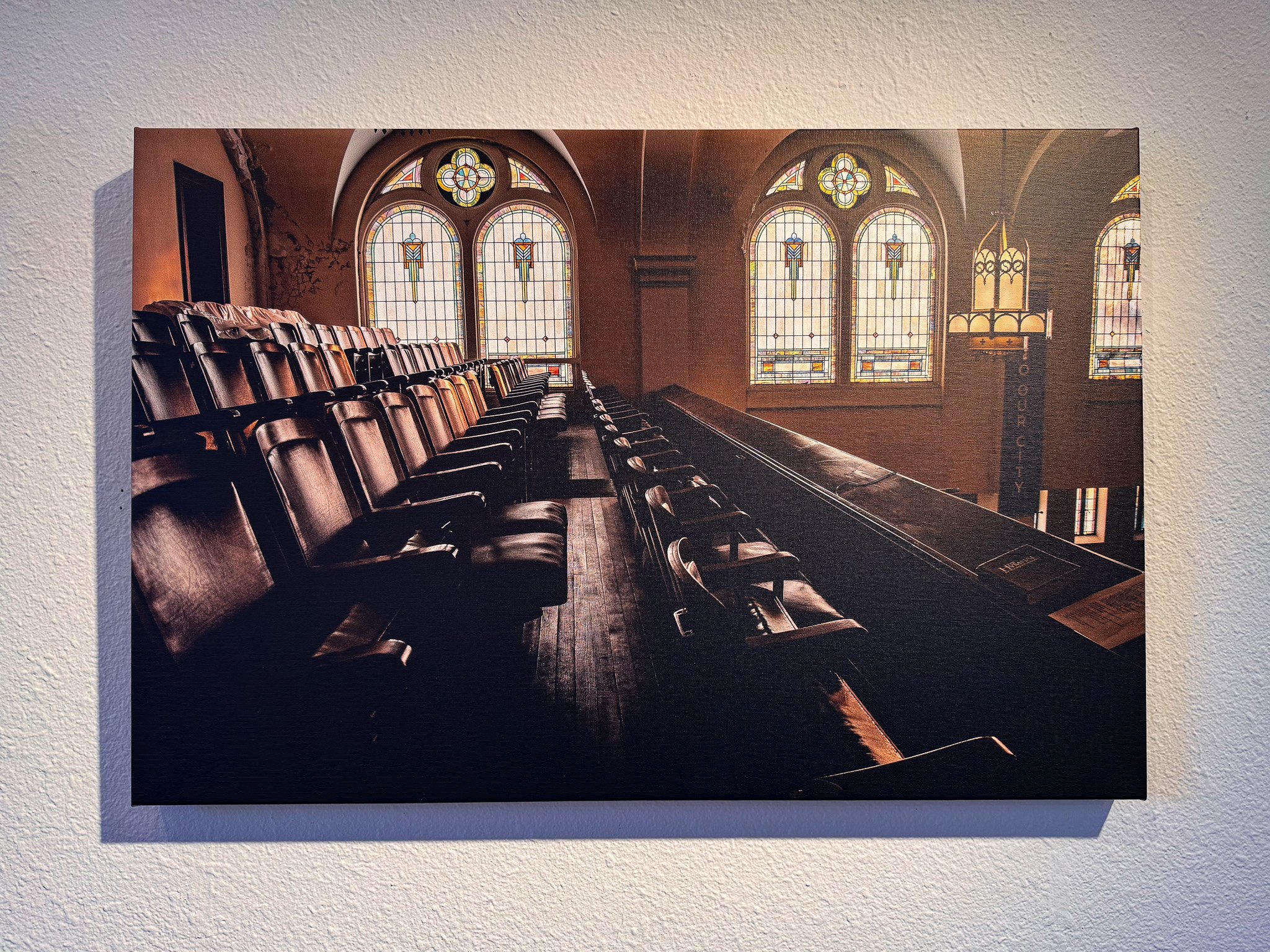
Woodruff Baptist Church, Kati Gaschler
What is hope? What’s our definition of hope as believing Christians? How do we practice hope?
I think of practicing hope as future plans. Maybe, despite dismal circumstances, it’s how we look forward to a newer, better reality. I saw this when I photographed Woodruff Place Baptist Church. She is a beautiful Romanesque Revival structure built in 1926 and in many ways, it shows. Everything is original; the seats, the dias, the windows, the floors. Loved by generations. The spiritual home of family after family. My favorite part is the balcony. The light kisses each surface so deliciously that at first, that was the only thing I noticed.
As I breathed in that beautiful place, I finally noticed the water damage. Off in the back corner, there it was. Peeling plaster. You can see it now too. But, right next to this small bit of earthly decay, and the symptom of time, sits hope. In this case, that hope comes in the form of putty knives and buckets of spackle. The people of Woodruff Place Baptist, in their love of their place, plan to keep her as new. They fix her when she peels, chips, and cracks. They do this for the hope of the future so that generations and families of the future can worship, live, laugh, cry, and come together here.
They look, with waiting and trusting hope, at the little crumbling corner, and restore it. Come what may.
Bob Bernhardt: Apoptosis*
Hidden from sight
in a quiet place
Two become one
And twenty-three become forty-six
Wonder multiplies
as life begins
Then one cell becomes two
And two, four
And four, eight
In that quiet place
But slow the count
as multiples mount
Death cuts away
in that quiet place
Not the whole
but in part
To a cell here
and over there
They fall away
making way
for fingers and toes
and a small little nose
Flesh crafted in that place
like clay in the hand
Sculpted
Stretched
Cut away
Life shaped through little deaths
as wonder multiplies
Christ became two
And two, four
And four, eight
In a quiet place
Wonder multiplied
God-flesh crafted
through little deaths
the fingers and toes
scored
in the fullness
and the forevermore
Wonder stills
Death cuts away
Not in part
But the whole
Wonder lay hidden from sight
In a quiet place
Until a cell here
and over there
begin to stretch
Life begins
And Wonder multiplies
*Apoptosis—the death of cells which occurs as a normal and controlled part of an organism’s growth or development. Apoptosis, or programmed cell death, is a natural process that occurs during embryonic development to remove unwanted cells and shape tissues and organs. Apoptosis is essential for many stages of development, including neural development and shaping fingers, toes, and vestigial organs.
OLIVIA FIELDS:
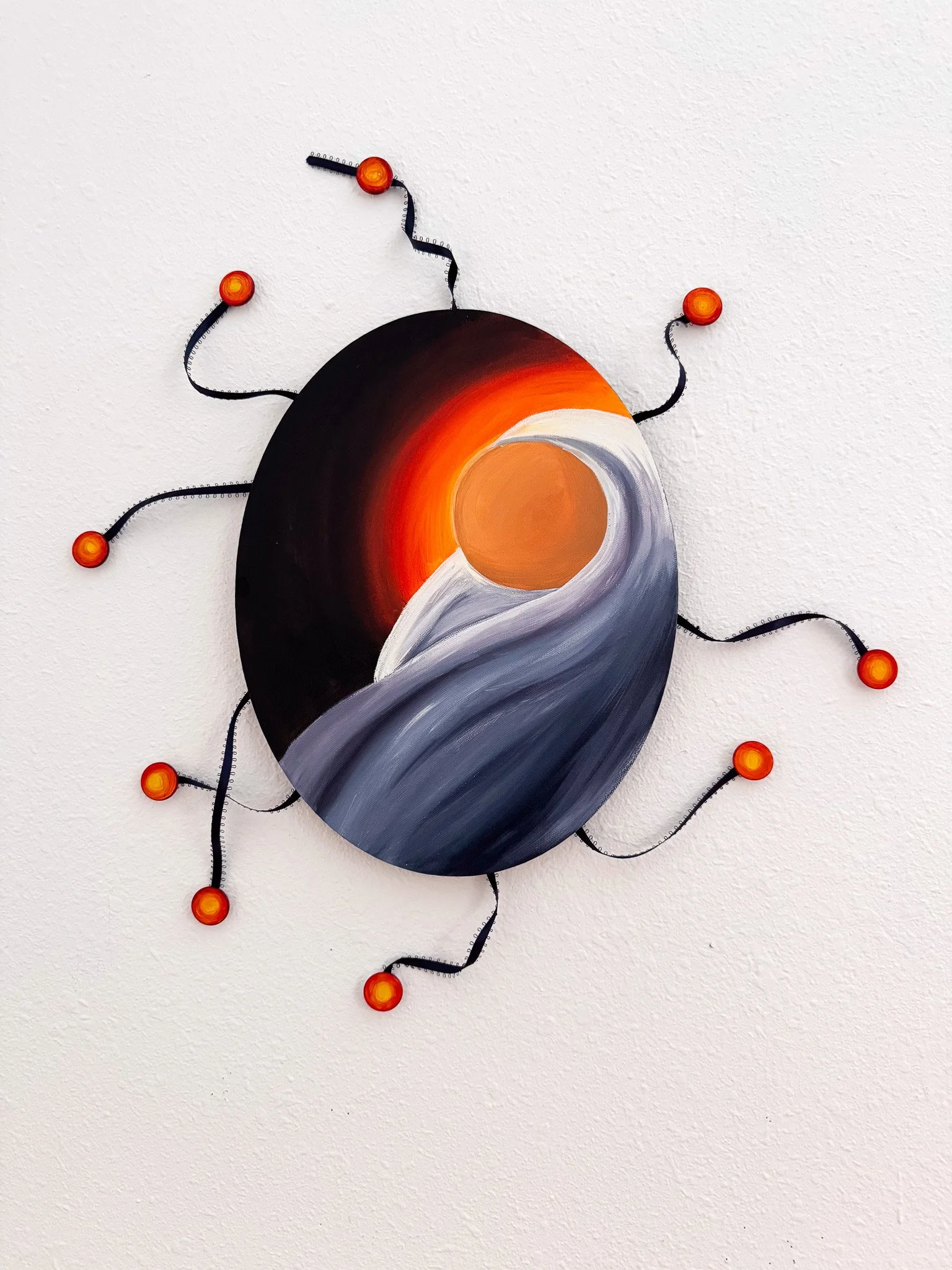
Formation (Birth), Olivia Fields
Inspired by Bob Bernhardt’s poem Apoptosis, these two artworks are meant to reflect upon the invisible dynamism of Christ’s formation in the womb and the space left behind after He rose from the dead. In those quiet places, both invisible and incomprehensible, miracles that define the world were born. Where the beginning of Jesus’ life began with a slow, steady multiplying of cells, His death and resurrection erupted with the seeds of new life and hope for all of mankind. Predicted for all of history and consequential for all of eternity, Christ’s quiet beginnings and explosive earthly conclusion began the murmur of excitement for His glorious return.
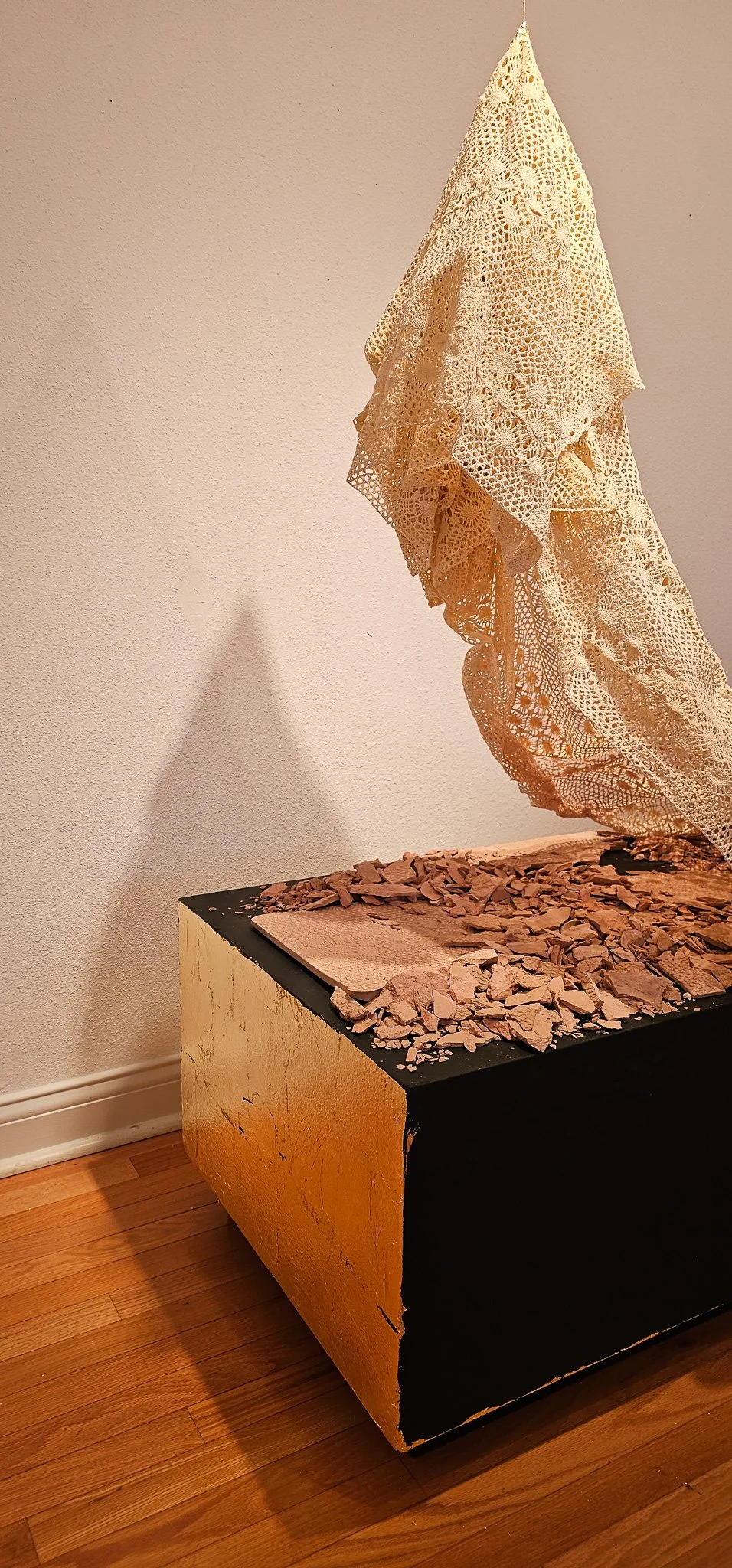
Resonance (Resurrection), Olivia Fields
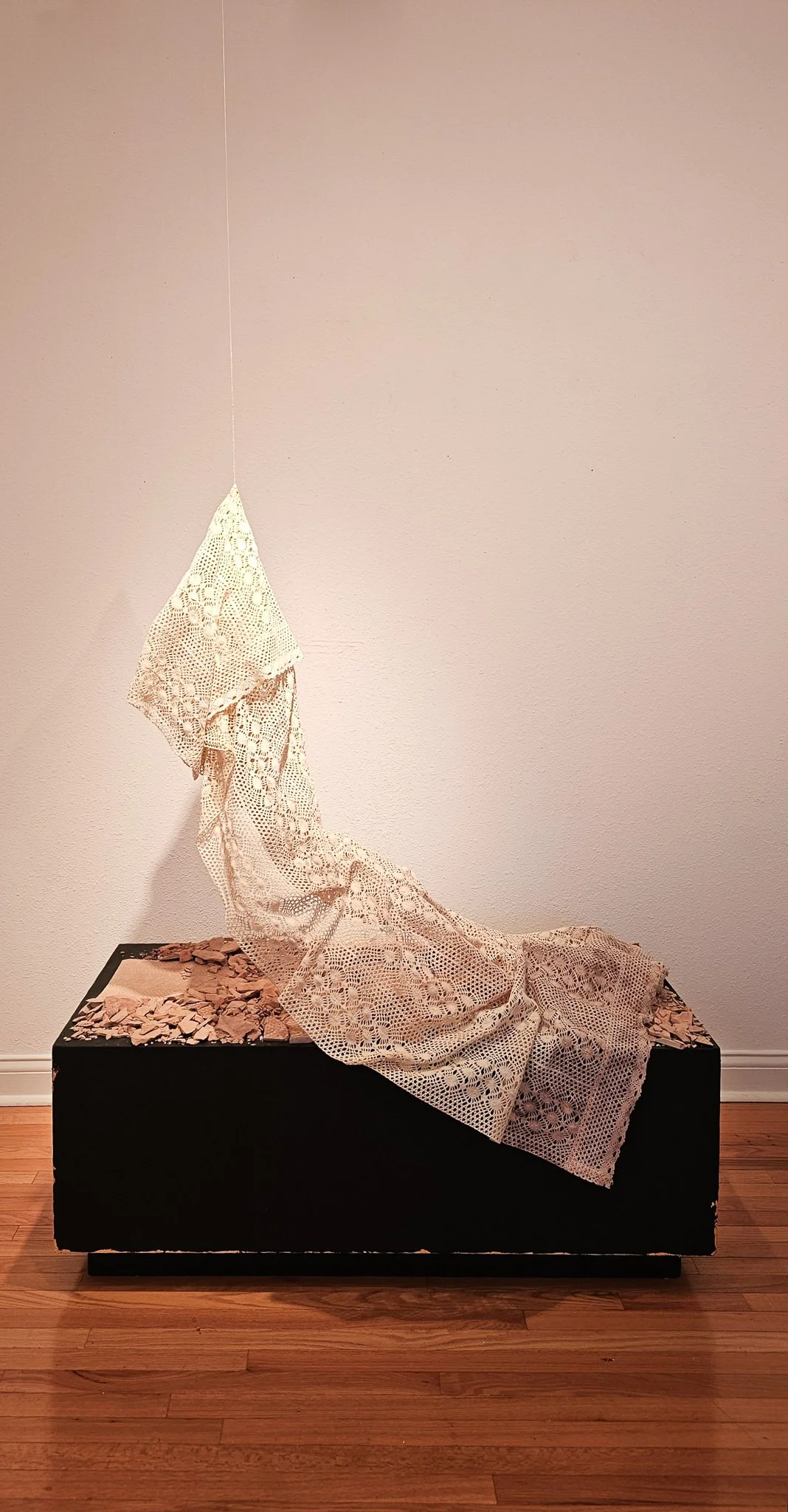
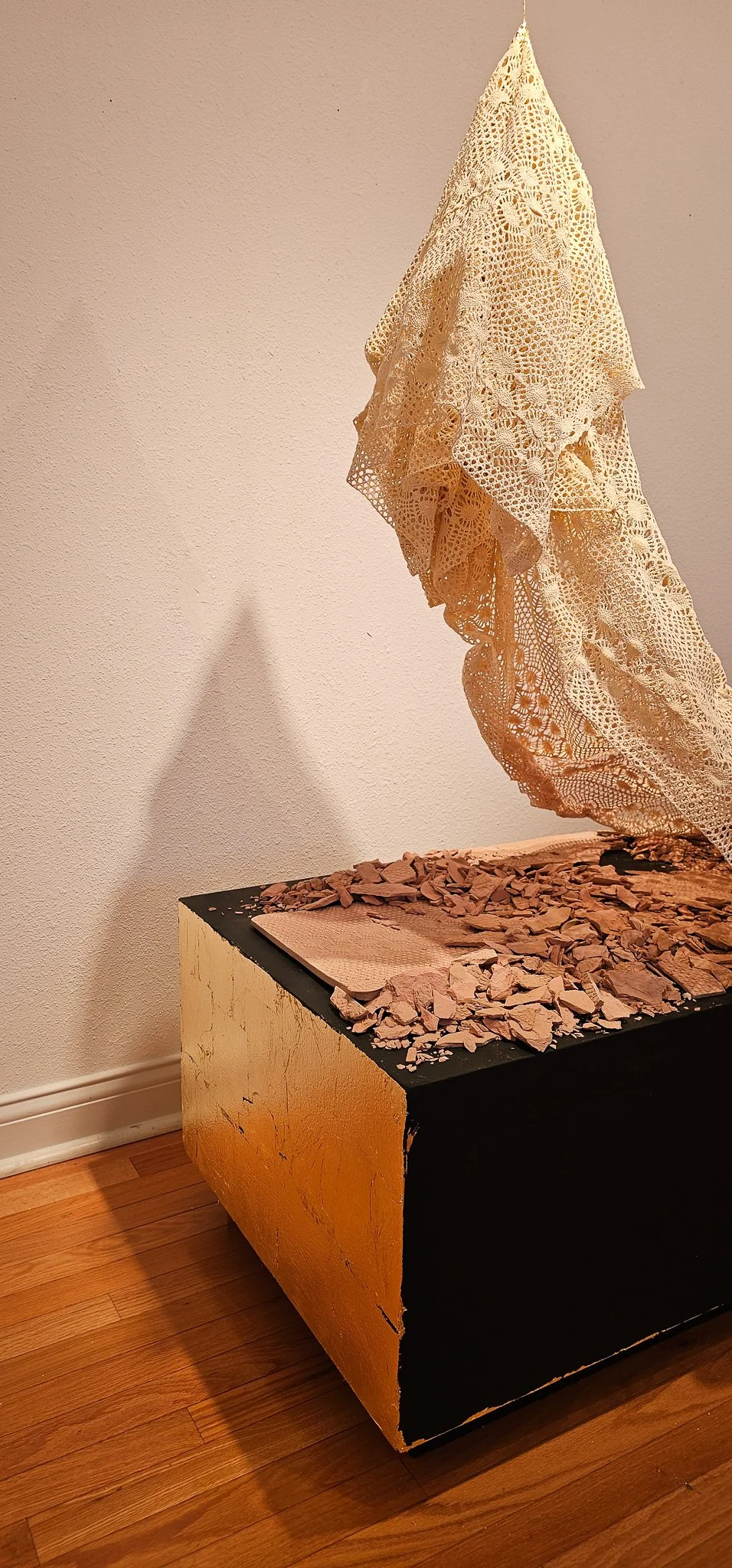
A slab covered in the blackness of death holds the remains of a clay body- broken.
Exploded actually.
A sharp hollow wound down the left side.
Blown apart in the furnace at one thousand nine hundred and forty degrees.
Despite my best efforts.
Like a traditional Ledger stone,
(a slab a body is laid out on or that covers a grave and is often inscribed with a family history) the black plinth holds the most fundamental genealogy:
man and God, clay and Gold.
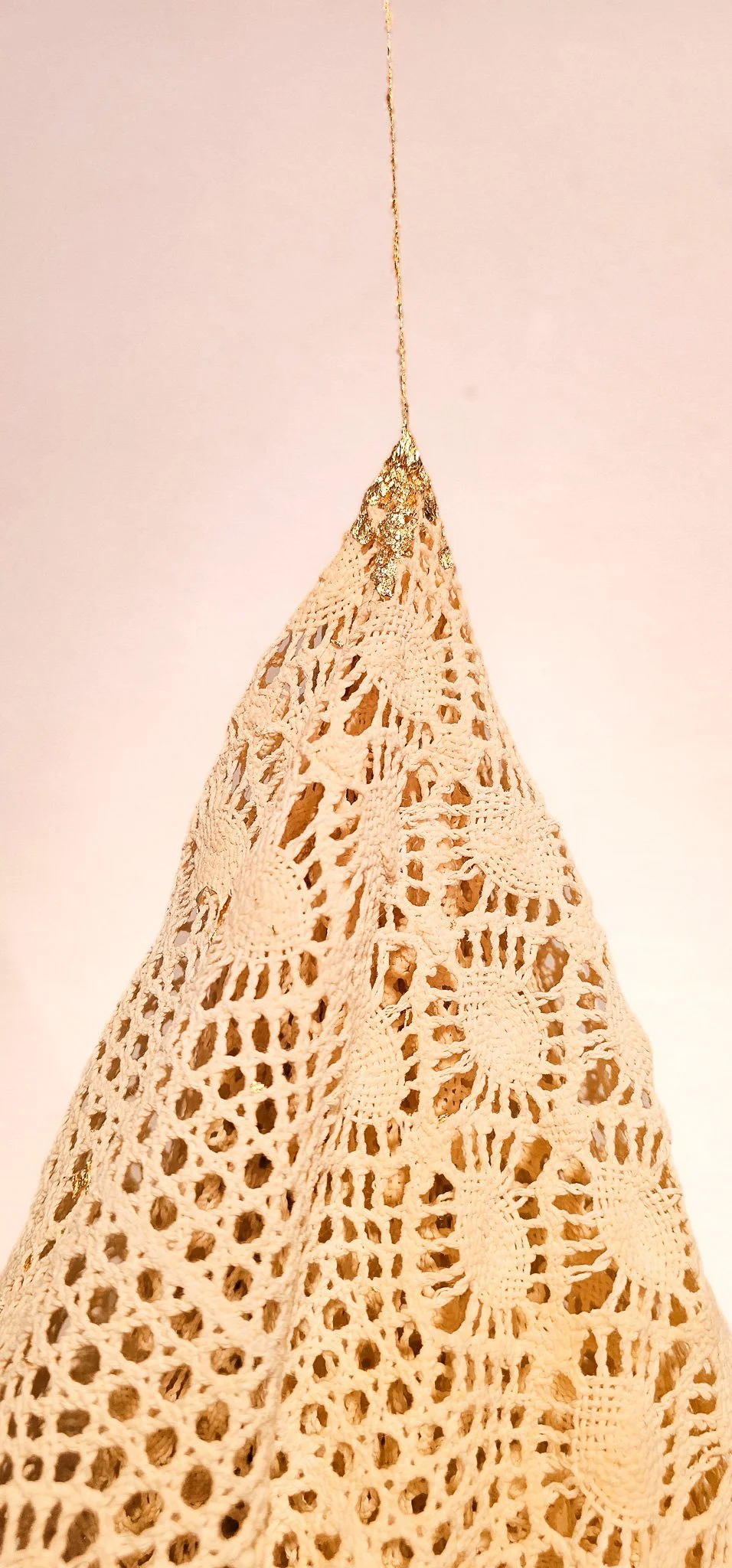
Above the clay body floats a lace shroud. Modern lace is often created through a chemical process where soluble threads are woven in with insoluble, then dipped in a chemical solution that dissolves the soluble threads leaving behind the lace pattern with intricate and beautiful hollow spaces. Our mortal, clay bodies are a bit like that. Daily, we are undergoing apoptosis, designed cellular death… was some form of dying always part of the plan? The clay imprinted with the pattern of the lace shroud that hovers above is a body imprinted with death from the genesis.
A body born to die.
Christ became a clay creature. A clay creature whose apoptosis became the apotheosis to create a sort of symbiosis.
With us. For us.
Perhaps there was a slow and somber moment in that dark secret place when God studied Jesus's face cast in the stiffness of death. A moment when he wept with sorrow and then a moment when he wept with joy that this sharp sting would be swallowed up. Death is being swallowed in gold leaf — Divine Love — covering the head and lilting off the dark surface at the foot, like pages in the Book of Life fluttering at the sudden sweeping, swooshing, raising, flying, rising of the resurrection moment when God the Father reached down and plucked up a hollow lace shroud and heaved it from the face of his hallowed Son.
A Son imprinted with life.
A Clay Creature born to live.
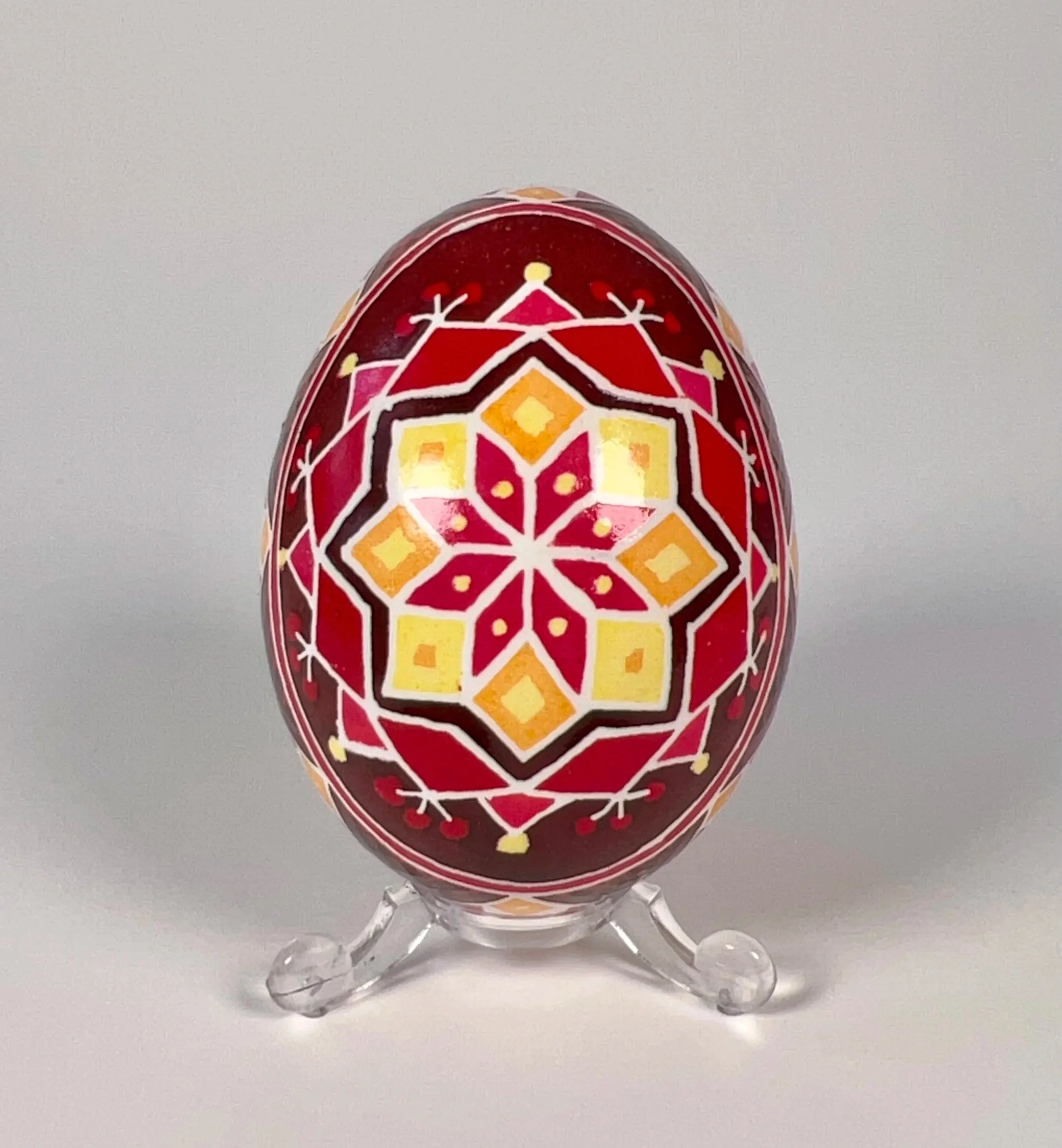
Pysanky: True Light, Katherine Gastler
I’m caught by surprise every year. As the leaves start to change and the weather gets colder, I ask myself, “Why does everything suddenly seem so much harder?” But then I remember, it’s the Darkness.
In the long summer light, I discount how much the shortened days affect my ability to function. I mostly work inside on bright screens, and my routines don’t vary too much across the seasons. So it’s easy to think the hour of sunset shouldn’t matter, but each year little by little, it stops me cold.
It is appropriate that the invitation for this show came just as the Darkness was creeping in this year. I first learned to make Ukrainian Easter Eggs, or pysanky, as a child from my aunt Connie Schmidt. Although our heritage is not Ukrainian, she learned to make pysanky to cope with the long nights living in Alaska.
To survive the Darkness each winter, I intentionally seek light in many forms: spiritual light, community, joy in helping others, and using my seasonal affective therapy light most mornings. (Ask me for recommendations, not all lights are strong enough to combat the Darkness!)
As I read the texts for this show, I focused on the image of true light. Folding stars from paper and writing designs in beeswax on eggshells brings back the same joy I had making them as a child, and dispels a bit of the Darkness for me.
I also chose materials to echo the lowliness of the incarnation. Eggs and paper are temporary and often tossed away, but here I honor them with hours of care and attention. Hopefully, these pieces survive to the end of the show, but just as Christ’s body, they are fragile and easily broken.
In the process of making an egg, I’m also metaphorically in the dark. As each part of the design is written in beeswax, it obscures the previous colors until the last step, when I melt off the wax to appreciate my finished design. Throughout the writing process, I acutely feel the tension of hoping to create geometric exactness from imperfect materials. As with the Darkness, I’m often tempted to despair, since my own efforts will never fully measure up. So if you feel the same, I hope this work, perhaps an imperfect treasure in paper and eggshell, can serve as a reminder that the true light comes outside ourselves from God and not from us.
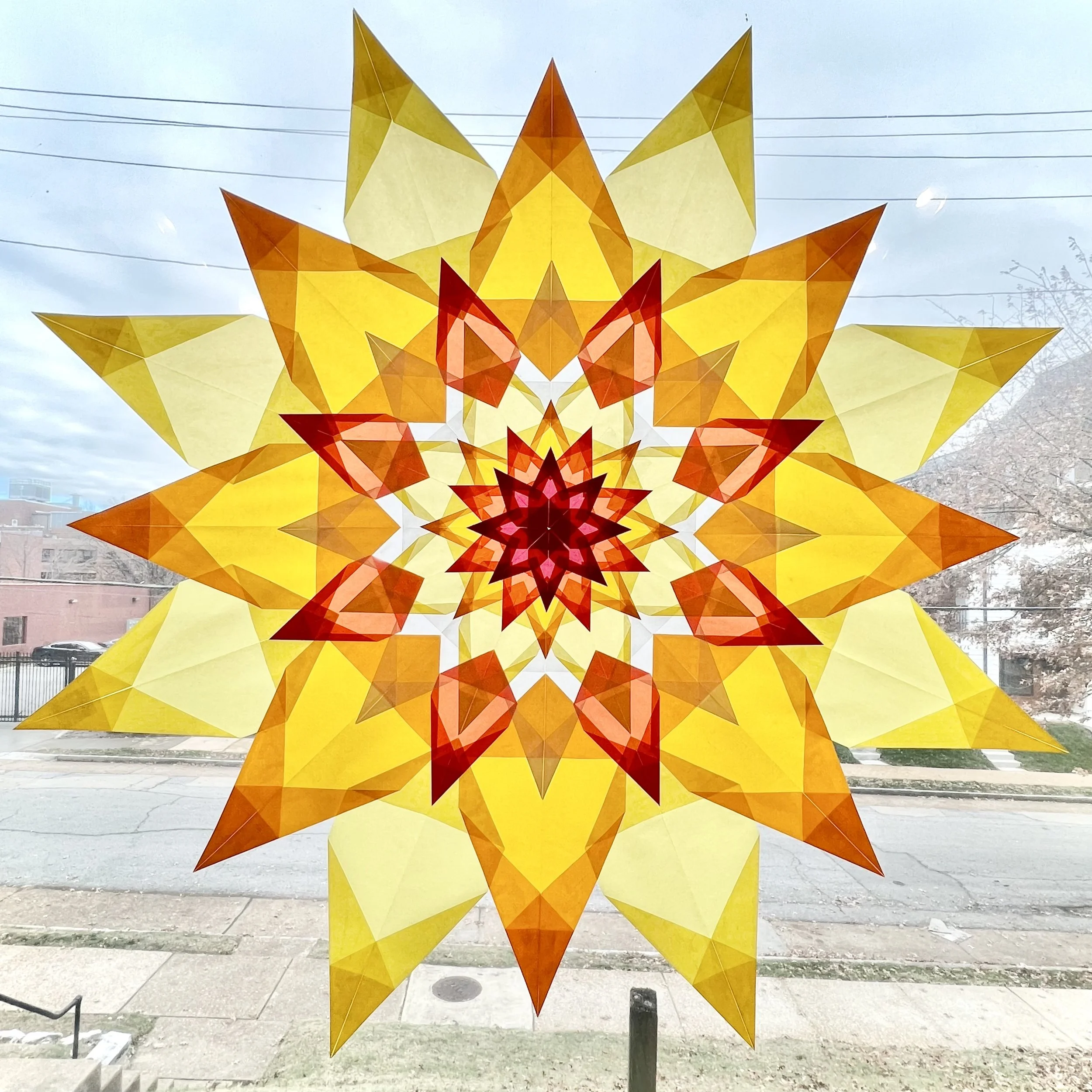
Window Star, Katherine Gastler
Mart Thompson: Ekphrasis on Christ Show to the People
To see the original painting Mart Thompson referenced for this ekphrasis, use this link.
Below the expressions and activity of the
crowd,
governor,
shouting executioners,
conforming criminal,
servants of injustice,
careless curiosity seekers, and an
anachronistic saint,
pious patron,
under the reigning and ruling King of glory thrice depicted,
stands the least of these in another world of thought and imagination.
Some are fixed on one another,
some gaping at the strangeness of the big people’s actions, and
framed in the center, is one with a gaze firmed fixed on the Man with the prickly crown and flowing robe,
hands raised not in anger but intense questioning,
below a face of sad consternation:
“Who is this?
“What are they doing?
“Why is this happening?
Standing lightly above the little inquisitor, another small one gazes at the later devotees,
“They must know something more.”

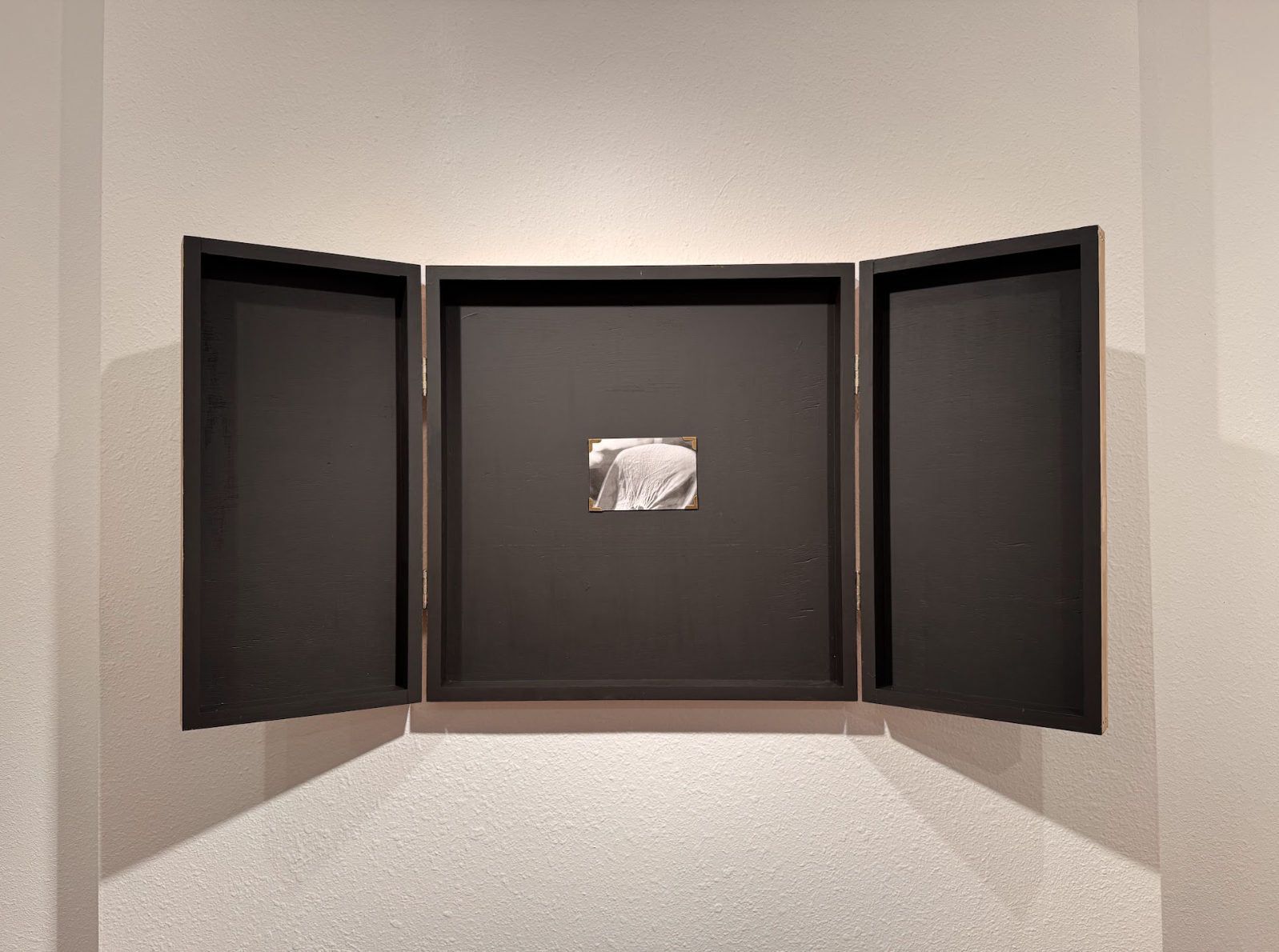

Womb to Tomb (Won’t You Rise Up)
Womb to Tomb. Birth to Earth.
That reality dogs every human being from the moment of conception.
And we don’t get a choice; we don’t choose our making, our living, our time in this world. We can’t escape coming and we can’t escape one day going.
Jesus could. He didn’t have to endure our reality.
But He came anyway, knowing better than anyone what it means to go from womb to tomb, from birth to earth.
Jesus made the choice to come, to put off the privileges of His divinity and take on the struggle and torment of humanity. He chose his making, his living, his being bound by time. He didn’t escape coming and he didn’t escape going.
Until He did.
And now we hold that truth in jars of clay.
As I read Bruce Cameron’s translation of Bonhoeffer’s hymn, about how “heavy loads still press upon our hearts” and what to do when “the heavy cup, brim full with suffering,/Should be the cup You place into our hands”, I saw afresh the great love that led Christ to come. In Mart Thompson’s ekphrasis on Christ Shown to the People, I found myself pondering with the children in the crowd “Why is this happening?”
The why finds its answer on Easter Sunday; a mystery you must step through Good Friday to see. For my piece, I referenced the idea of altarpieces; large wooden panels (often on hinges) that tell various stories from scripture and usually grace medieval churches. Most of these are huge, ornate masterpieces…but I made mine small, more like a humble medicine cabinet or shadow box than a treasure in a cathedral. The exterior meditates on the birth and death of Christ, using images that live in my imagination; my friend and pastor holding my stillborn nephew…my sister gripping the hand of her husband…my own hand holding the premie fist of my niece…hands lowering Christ in a famous Caravaggio…all these and more shift in and out of focus on the doors.
But open the doors, and the frenetic energy stills to a somber black. I imagined the tomb as Christ opened his eyes on that third day. I imagined the womb he swam in, the weighty glory of God transformed into a tiny embryo growing steadily. In the center, a photograph of a linen cloth, folded over a chair.
Resurrection power, striding out of the darkness, calm, sure.
The treasure I hold in this jar of clay.
Jeff Gibbs: This Hope We Have
THIS HOPE THAT WE HAVE: condescending, constant, concrete, and named.
The hope that we have is condescending.
The hope that we have doesn’t emerge from within us. Yes, some people are hopeful from within, but many aren’t. That has to do with how you were raised. That’s not our hope.
Our hope doesn’t rise up from below, from common human experience. Common human experience, honestly viewed, tells us that the human story as “just one d**** thing after another.”
Our hope is condescending, in the old-fashioned sense. It means, “coming down to be with” someone: “con-descending.” Our hope comes down. It comes from God, the God of hope. The future is God’s, planned by God and God alone will make it happen.
But the hope did shine forth down here, because God came down here, came to dwell with us. The Word became flesh and dwelt among us—light shining that the darkness did not overcome.
The hope that we have is constant.
There’s a phrase one hears: “hope springs eternal.” Close up to its original meaning is the thought that human beings can figure things out, and there’s good reason for optimism. Always look at the sunny side of life—that sort of thing. And there’s some common sense in that. If hope has to spring up again, however, that means it comes and goes. It wavers.
That sort of hope, wavering, sooner or later will collapse. It wouldn’t have been strong enough for Paul of Tarsus, who (by his own words) had been afflicted in every way, perplexed, persecuted, struck down, and was constantly being given over to death. Hope springs eternal? We don’t have that sort of hope.
Can we live with eyes wide open to how broken things can be, and how even doing the right thing can make your life a living hell? Paul thought so. The Apostle John did, too. And even if we waver, our hope remains constant. The enfleshed Word came to dwell among us, but most of his own people wanted nothing to do with him. And their darkness tried to snuff out His light. But the light is still shining. We have a hope that is constant.
The hope that we have is concrete
We don’t have a hope that tries to escape, to fly away, to float up to heaven. You could say that our hope is heavy, real, substantial, for we are real, embodied people living in this physical creation. The hope is not just a promise for our minds or our spirits. It is a hope for our bodies, for our whole selves, for the Father’s world all around us. We live in light of the hope, in the real world, with our real bodies. Sickness or suffering, hardship or hatred can all find a home within the enfleshed, embodied, heavy, hopeful life that we have together—with one another, because it is not my hope, but our hope.
Our hope has a name.
The Word became flesh. His light is still shining. It was snuffed out for a time, but the light broke out from the empty tomb, and we have been drawn into the light. Our hope is Jesus. Our suffering, then, and especially suffering because we are His, is somehow a sharing in the suffering that he endured. We carry in our bodies the death of Jesus. And our hope that has condescended, is constant and concrete, is a sharing already now in the life of Jesus, in the name of Jesus. We bear the name: Christ-ians.
On a day known only to God, we will see our hope fulfilled. We will see Jesus. He will condescend, with a love that is constant and eternal. Hope will become real, firm, concrete, more real than we knew was possible. And we will speak the name, Jesus—to the glory of God the Father, as our hope changes into sight.
April Parviz
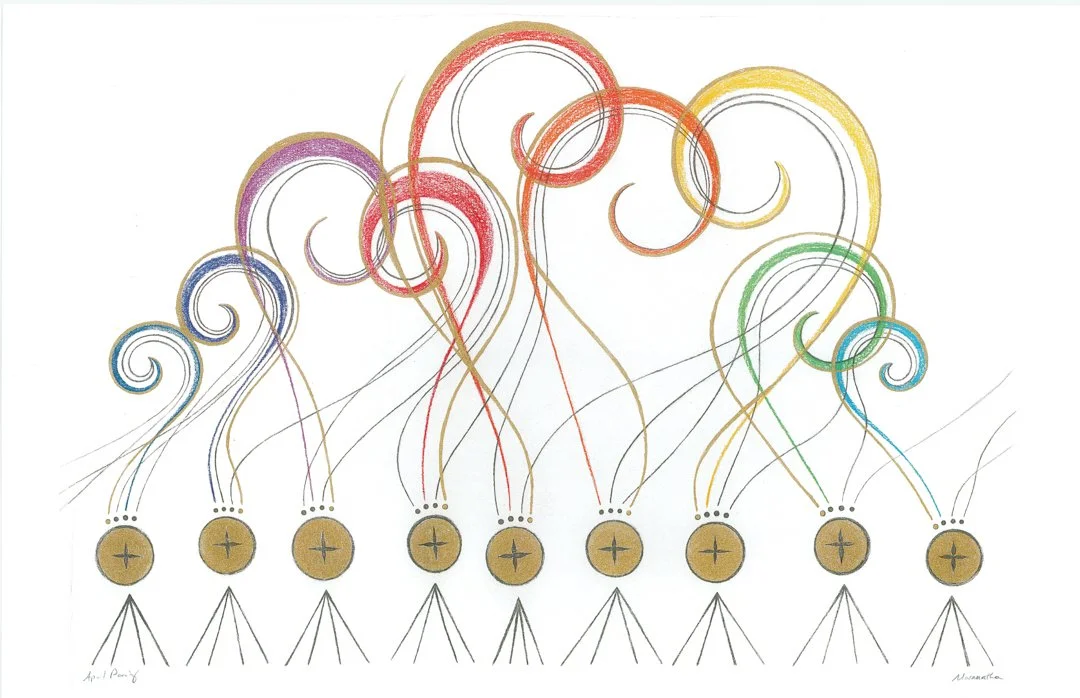
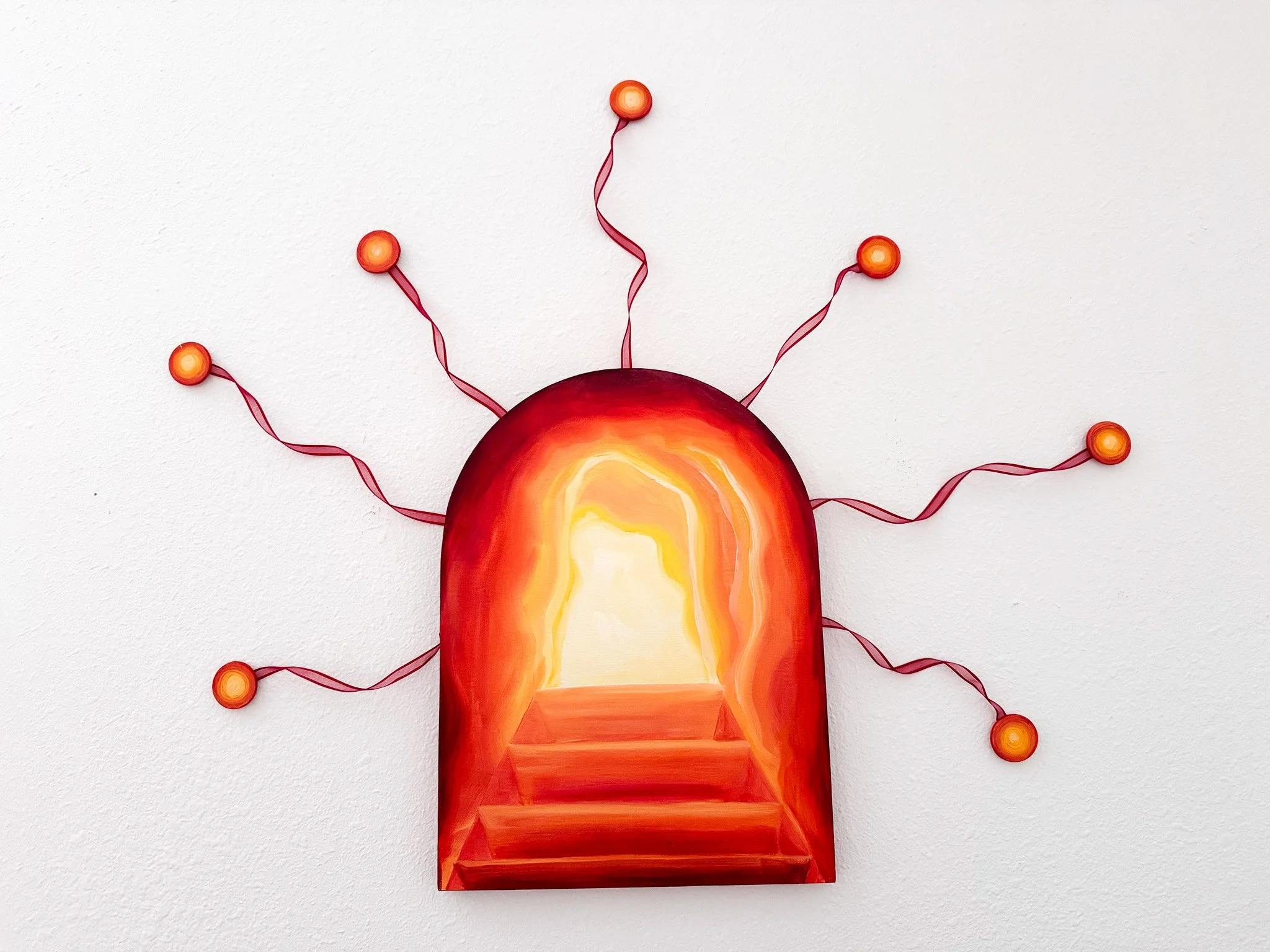
Sleepers ‘Wake: CII Maranatha, April Parviz
Sleepers ‘wake CII - Maranatha
It will be very hard for me to summarize this one. I will write a much longer statement on this, hopefully soon. But for now, we’ll just skim the surface together.
Back in February, I couldn’t handle my relationship with hope anymore. I was grieving my two miscarriages from the previous year and I wanted another baby so badly. I often would believe I was pregnant again, but then wasn’t. Every time I found out I wasn’t pregnant, I was heartbroken all over again. It was unbearable. So I set hope down. I didn’t know how to carry it without forcing it to wear a mask that had “April’s plan” written on it.
In my art practice, when I’m processing something extra difficult and new, I like to create a symbol that is unique to my personal “art language.” For this piece I’ve created a symbol for hope. I need to start trying to pick it up again, so I can get to know it and live my life as a child of the light. But it is very heavy. That’s why I related very deeply to Dr. Gibbs’ reflection. He says hope is “heavy, real, and substantial.” I would say almost like a burden. This computes very much with thought processes I’ve been having over the last year as my grief has been too heavy to carry, at times, so others have taken on some of the burden. I wonder if by carrying the burden of hope, I’ll be more able to carry the burdens and sufferings of my brothers and sisters in Christ...
The gold spheres, with what look like small plus signs in their centers, are my new little symbols of hope. They are fashioned to look like a eucalyptus button. If you are unaware of what that is, I am sad for you and also jealous of your beginners mind which will one day see and smell a eucalyptus button for the first time. I keep a jar of them and smell them from time to time. The smell transports me back into my 4-year-old self, playing in the dirt and pine needles of beautiful Paradise California.
The entire town of Paradise burned completely to the ground back in 2018, in the 6th deadliest wildfire in U.S. history. It breaks my heart every time I think about it. And the despairing side of me screams that it is a sign of the end of times. But do you know what? When set on fire, pinecones and eucalyptus trees release seeds.
In my piece, along the tops of each eucalyptus button, there are four small seeds. They come out of the four “scars” (if you will) on each button. Stemming from one seed is always a colorful swirl, two seeds produce simple pencil lines that weave into nearby colorful swirls. And one seed produces a gold swirl that carries the colorful swirl. Each colorful swirl represents you, me, and others in our church who are suffering. The pencil lines represent our sufferings that are blown, ever so lightly by the spirit, into the care of another colorful swirl, who will carry it for us for a while. And the gold represents Christ, holding us up... carrying us.
As Jeff said, “On a day known only to God, we will see our hope fulfilled. We will see Jesus. He will condescend, with a love that is constant and eternal. Hope will become real, firm, concrete, more real than we knew was possible. And we will speak the name, Jesus—to the glory of God the Father, as our hope changes into sight.” I think if I can begin to grasp that, I will also begin to grasp how Christ’s burden is light (Matthew 11:28). And hope won’t be hard for me to carry anymore.
Maranatha - come soon Lord Jesus.
The Advent Event | December 18, 2024